

We live in an epoch where multiple forces, including AI, climate change, geopolitical tensions, and intercommunal tensions, impact and impinge on human lives. These problems stymie social mobility and sustainable development, especially for the underserved and marginalised around the world.
Universities remain uniquely positioned to rise above these complexities to make genuine impact, particularly in advancing the Sustainable Development Goals (SDGs). Through impactful research, we inform policies, programmes, and innovations to address complex societal challenges. Through holistic education, we develop empathetic and inspiring young changemakers. And through cross-regional partnerships, universities rally behind a common mission to uplift lives and create a whole that is greater than the sum of its parts.
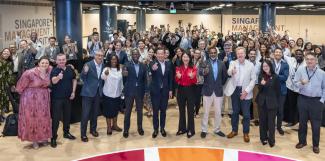
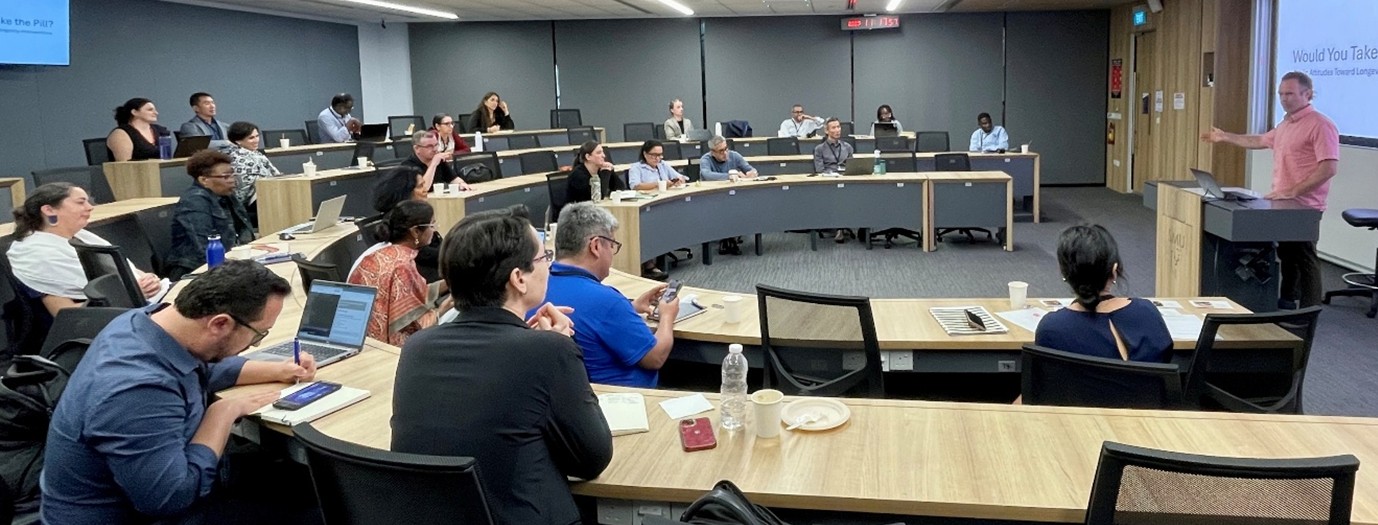
This was affirmed when SMU welcomed some 150 academic leaders, industry experts and student researchers to the Reach Alliance’s first Asia conference, co-organised with the University of Toronto and other Alliance partners UCL, the University of Melbourne, the University of Cape Town, Oxford University, Tecnológico de Monterrey, Ashesi University and Howard University. Marking Reach’s 10th anniversary, the conference showcased how interdisciplinary research is improving lives in the hardest-to-reach communities.
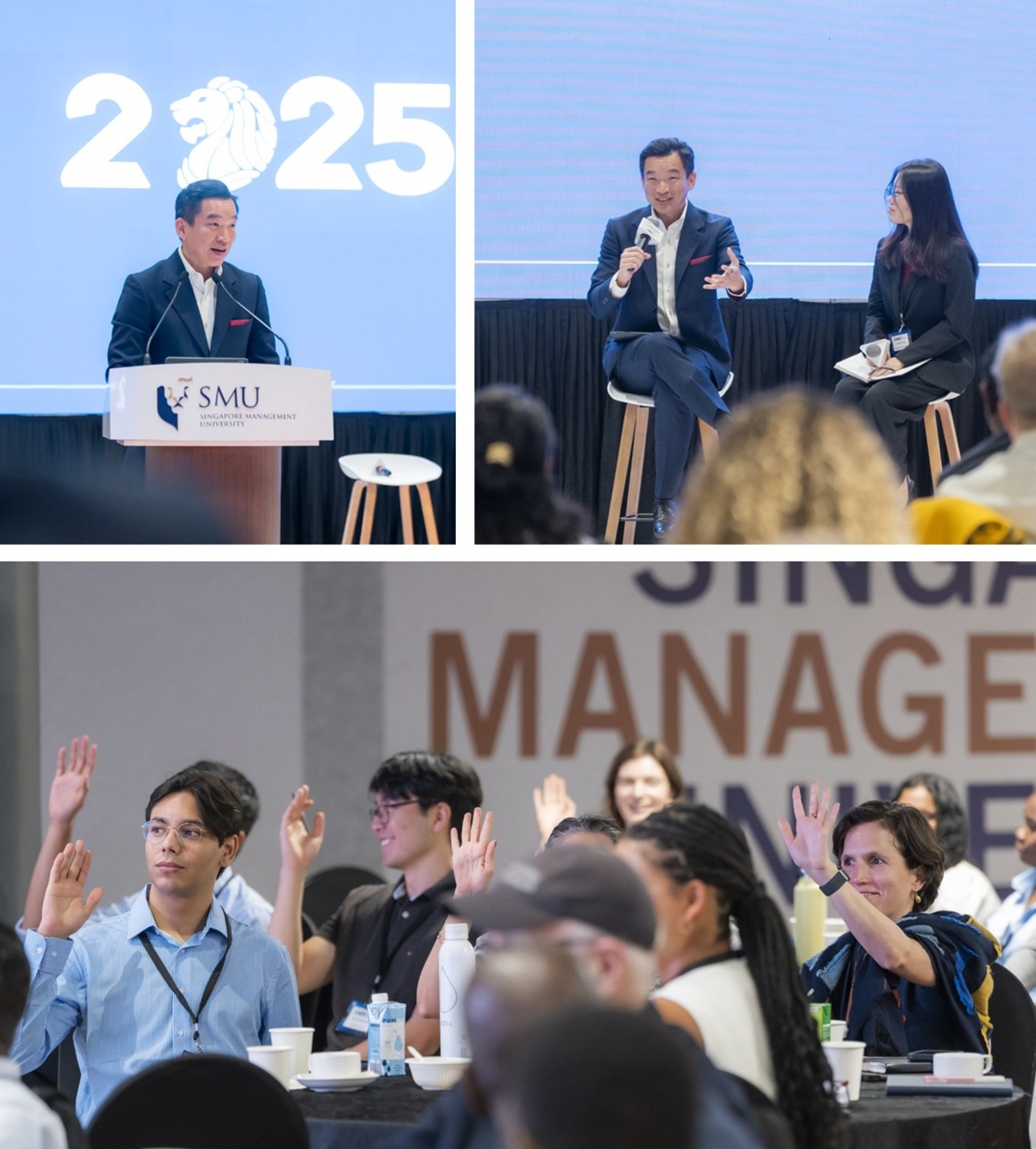
SMU was honoured to have Senior Parliamentary Secretary of Singapore’s Ministry of Social and Family Development, Mr Eric Chua, join us to share Singapore’s perspectives on building a resilient society for sustainable development. His keynote address and dialogue, moderated by SMU College of Integrative Studies (CIS) student and Reach researcher Caroline Cheng, highlighted how Singapore builds social compacts ensuring social mobility thrives, and underscored universities' role in creating a 'We First' society driving sustainable development. He also shared some of Singapore’s strategies for building strong and resilient families and shaping a robust social compact for social mobility and praised the Reach Alliance’s decade-long track record of developing actionable insights that has positively impacted marginalised communities around the world.
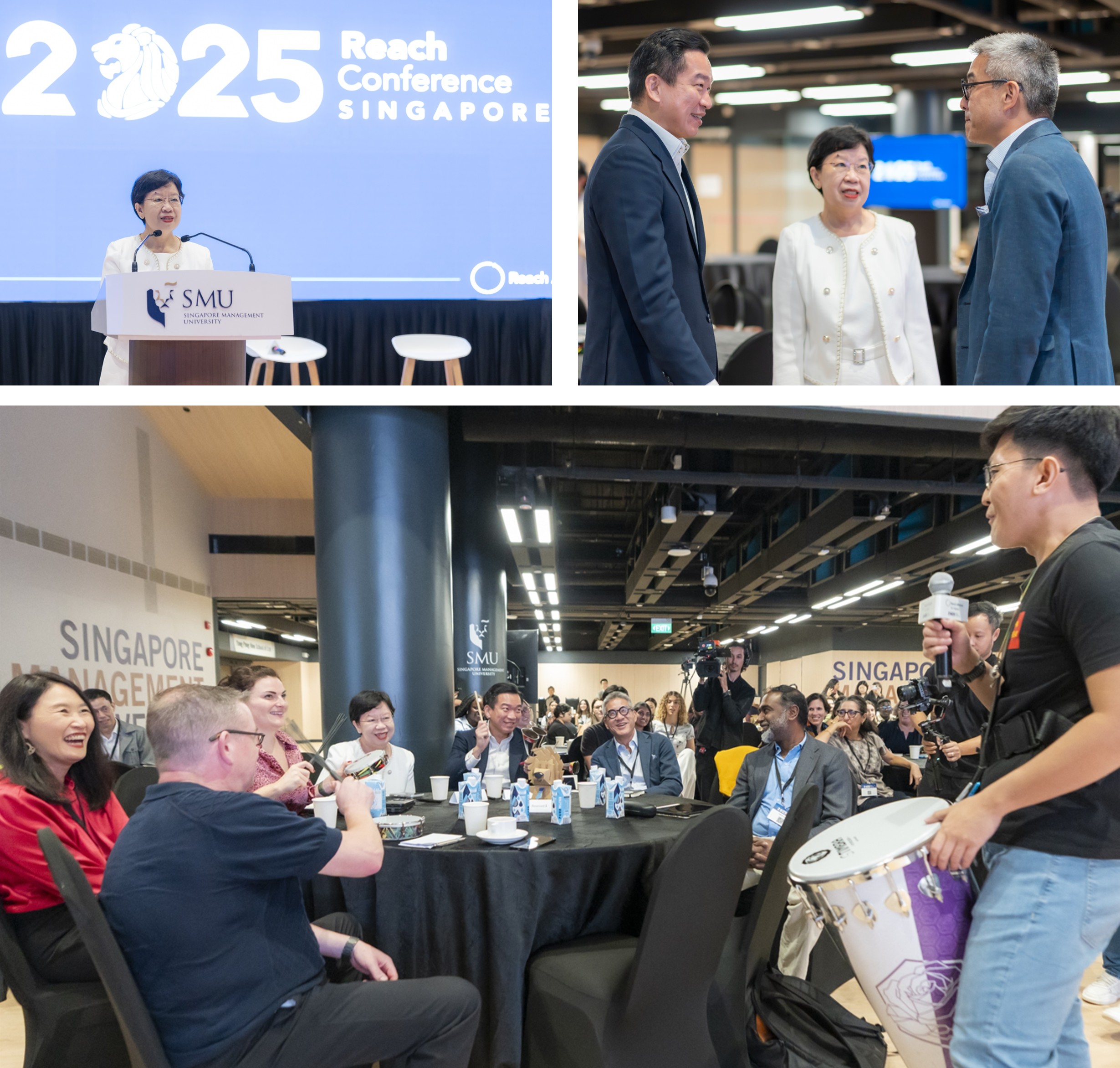
A highlight was the inaugural Reach Alliance Leaders’ Roundtable, a convening of Reach university leaders which Reach Alliance Executive Director and roundtable moderator Marin MacLeod aptly called “the Avengers of Higher Education.” Answering University of Toronto Vice President and Reach Alliance founder Joseph Wong’s call for universities to make the “strongest case possible” in contributing to advancing the SDGs, Ashesi University President and founder Patrick Awuah said that university education needed to “nourish the whole mind” beyond just skills, while UCL Vice-Provost Geraint Rees stressed the need to embrace intellectual diversity by “differing well”. University of Melbourne Pro Vice Chancellor Adrian Little highlighted the need for universities to be symbols of responsible and open knowledge, while University of Cape Town Deputy Vice Chancellor Jeff Murugan drew from experience in battling the Covid-19 pandemic to underscore the importance of collaboration in addressing societal challenges.
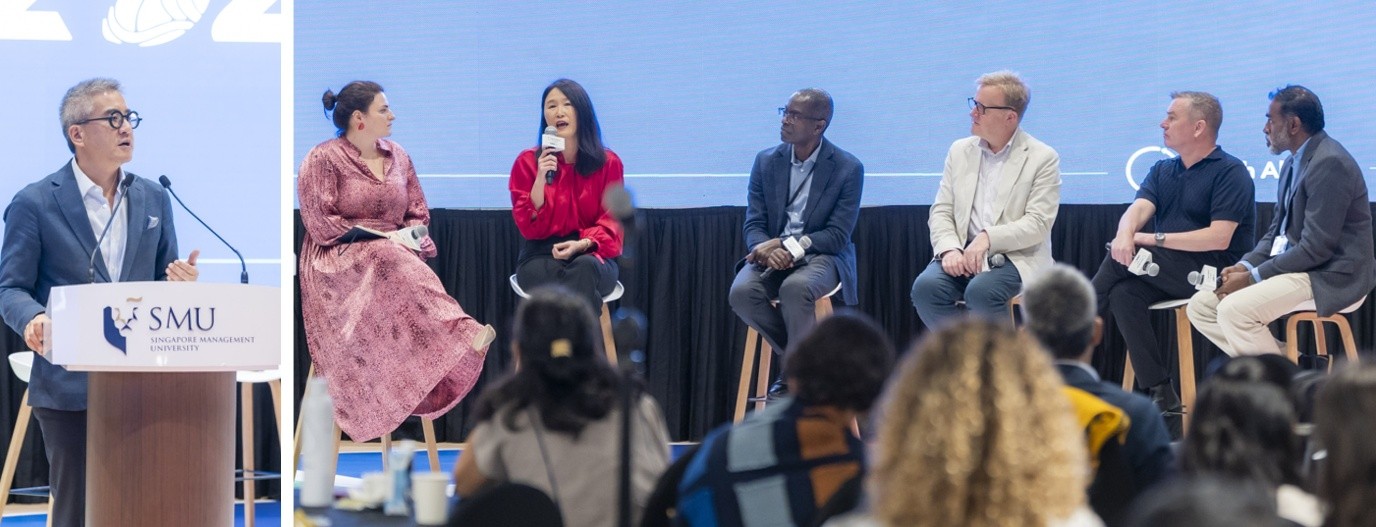
The leaders continued the conversation at the conference sidelines, resulting in deepened partnerships and new collaborations. Reach Alliance academics also gathered for several closed-door sessions, including a faculty research matching session to share their work and explore research collaborations across the alliance.
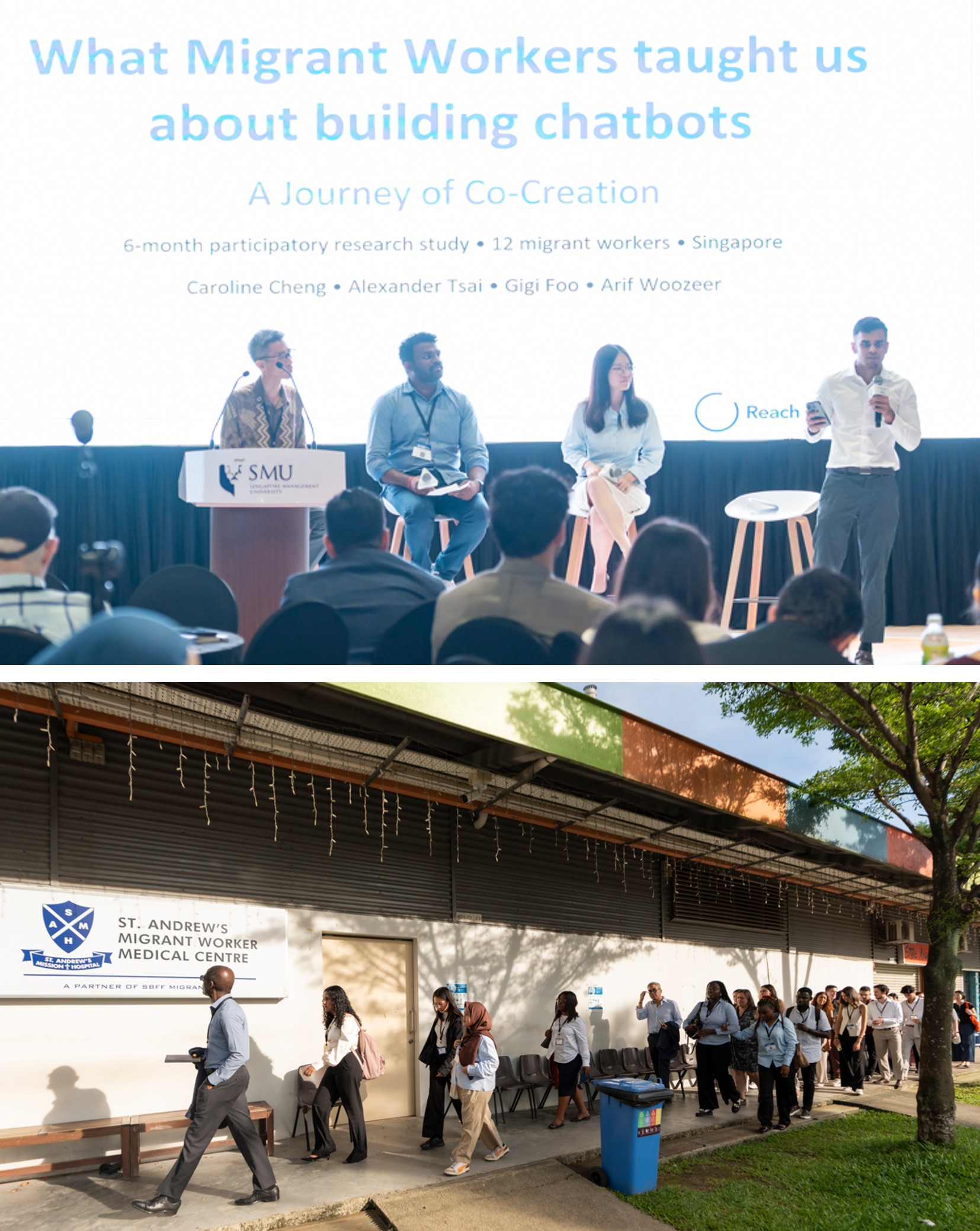
As host and in line with the University’s belief in experiential learning, SMU organised opportunities for the Reach community to engage local stakeholders to witness firsthand how policy, research, and action intersect to improve the well-being of migrant workers in Singapore. This underscored a Reach research project by SMU CIS through which students partnered with workers to co-create an AI bot that enhances financial literacy—a powerful example of interdisciplinary research driving real-world impact.
The valuable insights generated at the 2025 Reach Conference speak directly to SMU’s ethos of developing impactful and actionable research as a knowledge gateway between Asia and the world.
SMU and the Reach Alliance are remarkably aligned—impact-first, human-centred and globally connected—and the University will contribute to the Alliance’s next decade of excellence where today’s insights become tomorrow’s actions, and these actions transform lives.