

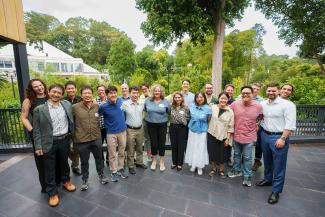
Historians from across Asia and the United States gathered at Singapore Management University (SMU) on 3 and 4 March 2026 for the inaugural Society for Historians of American Foreign Relations (SHAFR) Asia-Pacific Workshop. Against a global backdrop of rising geopolitical and socio-cultural tensions, economic uncertainty, and intensifying big power competition, the scholars explored how the history of foreign relations (between states as well as ordinary people) and global exchanges (of goods, services, and ideas) illuminates that which has shaped the world order.
Hosted by SMU’s College of Integrative Studies (CIS), the two-day workshop welcomed scholars from regional institutions such as the Australian National University, Ewha Womans University, Osaka University, Peking University, the University of Tokyo, the University of Melbourne, as well as SMU and the National University of Singapore. Joining the workshop from the United States were Sarah Snyder of American University, SHAFR Vice-President and President-Elect; and Anne Foster of Indiana State University, editor of the journal Diplomatic History, who were present to support scholarly dialogue and future collaboration.
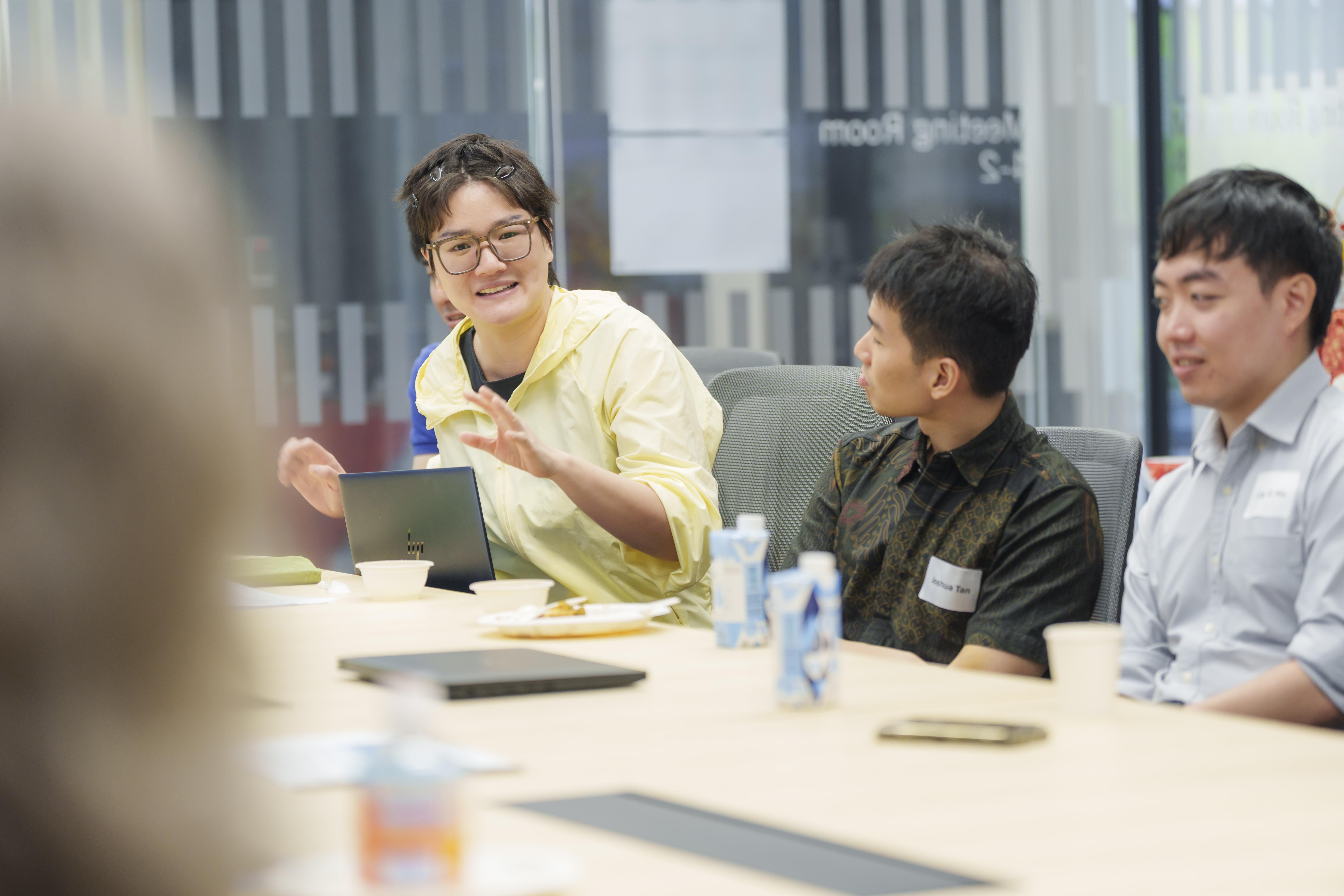
Organised by Ngoei Wen-Qing, Associate Professor of History at SMU CIS, in collaboration with historians Joey Long (National University of Singapore) and Brian Cuddy (Macquarie University), the inaugural workshop is part of SHAFR’s broader effort to expand scholarly exchanges beyond North America. SHAFR is the principal professional association for scholars of international, diplomatic, and US foreign relations history.
Importantly, the inaugural workshop reflects SMU’s longstanding goals of advancing applied research and developing initiatives that deliver meaningful social impact. The University is committed to scholarship that makes connections to contemporary issues.
“With historians from the wider region and beyond getting into good conversations at the workshop here in SMU, the University becomes a site for productive intellectual exchanges, forming new partnerships, and picking up unexpected insights about the links between the past and the pressing questions of our time,” said Prof Ngoei.
Building a robust and sustainable community of historians
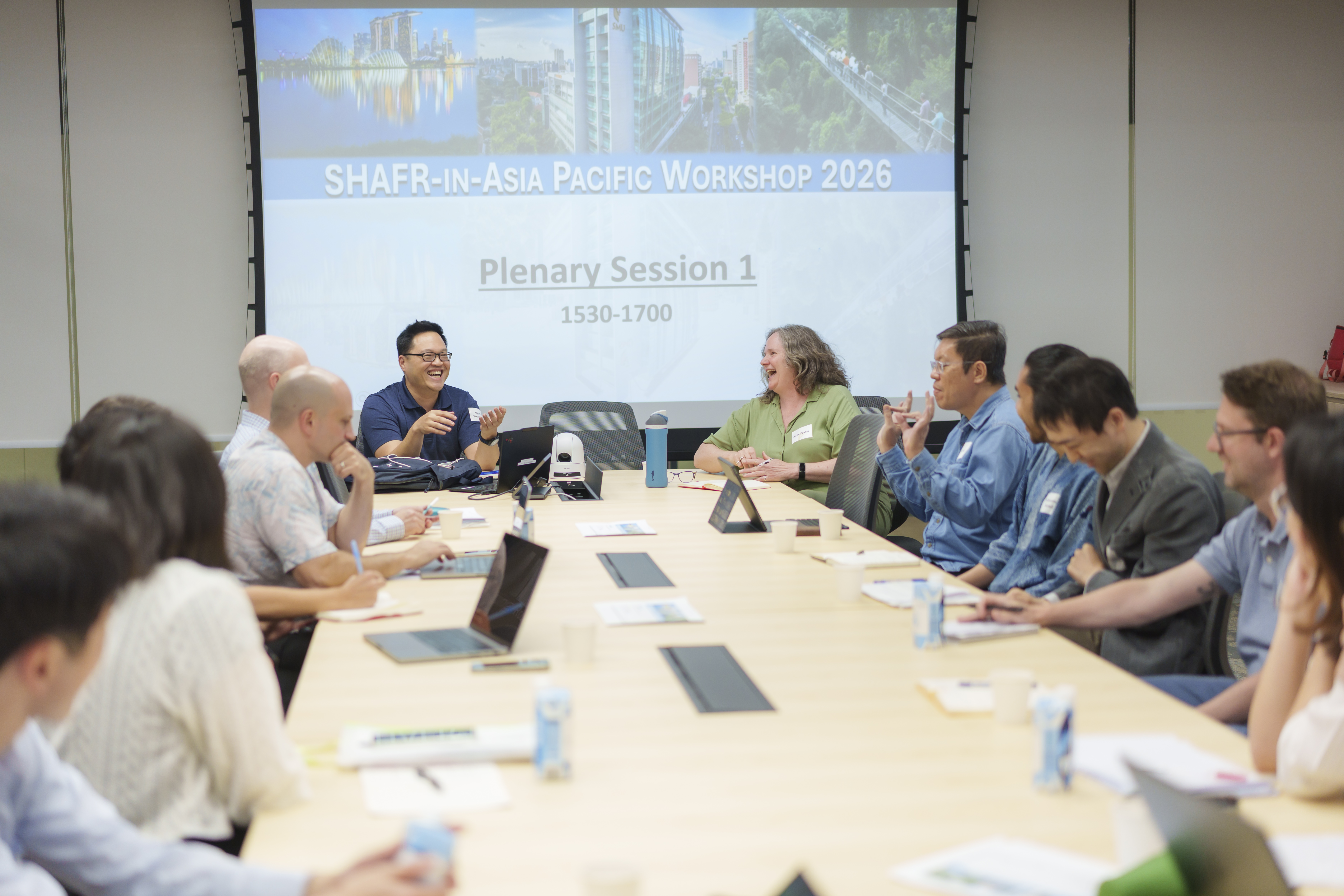
Unlike large academic conferences, the workshop was intentionally limited in size to enable the in-depth discussion of each participants’ works-in-progress. The topics of the papers, which included drafts of article and book chapters, included Southeast Asia’s part in global history, US-Japan relations, higher education in Cold War Asia, Malaysian strategy toward international organizations, US human rights policy, and much more, all providing vital context for the politico-military, economic and socio-cultural challenges of our contemporary moment.
Additionally, participants traded views about the challenges, opportunities, and unique insights of studying and writing on international and US foreign relations history while based in the Asia Pacific region. The rich conversations delved also into plans to create a robust and sustainable Asia Pacific community of historians, building on strong and increasing regional interest in the initiative.

The workshop’s focus on international, transnational, and US foreign relations history was particularly timely, given the growing debate over the future of the U.S.-led global order. Public commentary might typically centre on how US decisions have transformed the international system. But conducting historical research and analyses, looking beyond the 24-hour news cycle and discussions that are stuck on current affairs, promises different ways to see the world. Indeed, close study of the past reveals that big players may be important but not central to history; that those deemed peripheral to international affairs are often the catalysts of truly profound regional and global transformations.
Going forward, SHAFR’s now budding Asia Pacific community will focus on building a sustainable scholarly network in the region. The plan is to make the Asia Pacific workshop a biennial event, with the next gathering expected in 2028.