

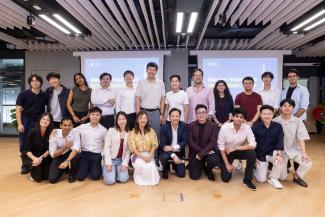
Singapore, 20 November 2026 - From growing a revenue-generating tuition marketplace to developing AI-powered solutions for regional markets, students at Singapore Management University (SMU) are turning innovative ideas into businesses with the potential to scale, create jobs and contribute to the economy.
Against a backdrop of global economic uncertainty, rapid technological change and an evolving job market, SMU is developing a new generation of entrepreneurial talent who can do more than adapt to change. Through its Design Your Own Entrepreneurship Work-Study Elective (DYOE WSE), students gain hands-on experience in developing products, building businesses and identifying market opportunities while earning academic credit.
Launched in August 2026, the inaugural cohort comprises 14 startups across sectors including education, healthcare and technology. Approximately one-third of the ventures are AI-native, while another third are service businesses making extensive use of AI. The programme empowers students to dedicate 20 weeks to developing their ventures while earning two course units towards their degree. By integrating entrepreneurship into academic learning, SMU equips students with the mindset, resilience and leadership capabilities to turn innovative ideas into viable businesses, strengthening Singapore’s pipeline of homegrown startups.
Made possible by a S$5 million gift from SMU alumni Jeff Tung (BBM 2013) and Benjamin Twoon (BBM 2013), both entrepreneurs to accelerate the development of student-founded ventures, the programme is jointly developed by SMU’s Lee Kong Chian School of Business (LKCSB) and Institute of Innovation and Entrepreneurship (IIE).
Dr Kenneth Goh, Associate Professor of Strategy & Entrepreneurship (Education) at SMU’s LKCSB said, "In a rapidly changing economy, universities must develop graduates who can do more than enter the workforce, they must be equipped to shape it. By making venture creation part of university education, DYOE WSE develops the entrepreneurial mindset, resilience and leadership capabilities students need to innovate, build businesses and create value, whether as entrepreneurs or within established organisations."
Student ventures show commercial promise
The inaugural cohort is already demonstrating encouraging business traction. Among the ventures are three schoolmates whose tuition marketplace has grown its revenue threefold during the programme; a student developing a service to guide families through funeral arrangements; and a student on her second venture, turning a viral global Tamil dance trend into a fitness business. Another student is developing an AI-powered algorithm to predict renewable energy prices on the Indian Energy Exchange, managing a development team in India while studying in Singapore. These ventures illustrate how students are leveraging technology, identifying market needs and pursuing opportunities beyond Singapore (please see Annex A for details).
Ms Huo Yasi, Deputy Director at SMU’s IIE said, "SMU's goal is to enable promising student ventures to grow beyond campus into commercially viable businesses. The inaugural cohort is already showing impressive traction, from revenue growth to customer acquisition. By connecting founders with mentors, investors and industry networks, we are opening doors to turn innovative ideas into market-ready solutions, with the potential to scale, expand internationally and create jobs."
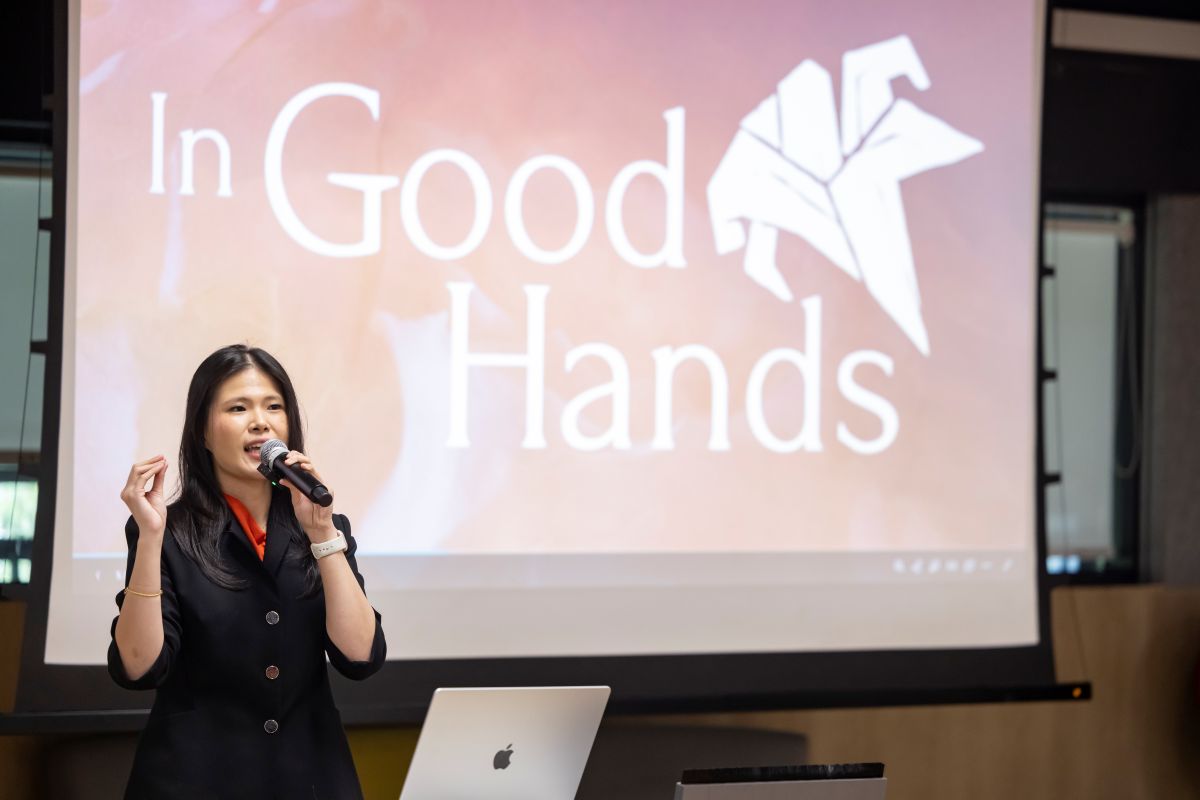
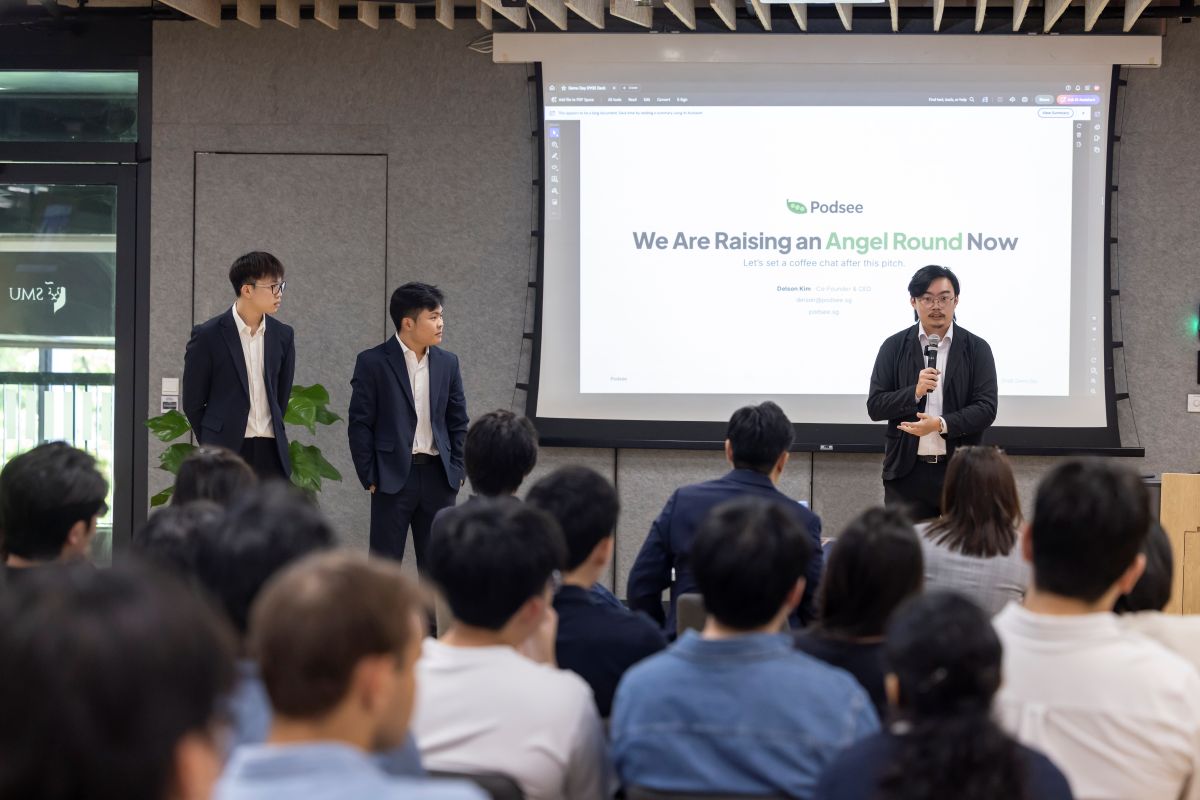
Students showcased their progress at SMU’s inaugural DYOE Demo Day on 20 November 2026, pitching to investors and industry professionals. Their ventures were assessed on business traction, including customers, revenue and partnerships secured, providing opportunities for feedback and connections to support further growth.
Building an entrepreneurial pipeline for business growth
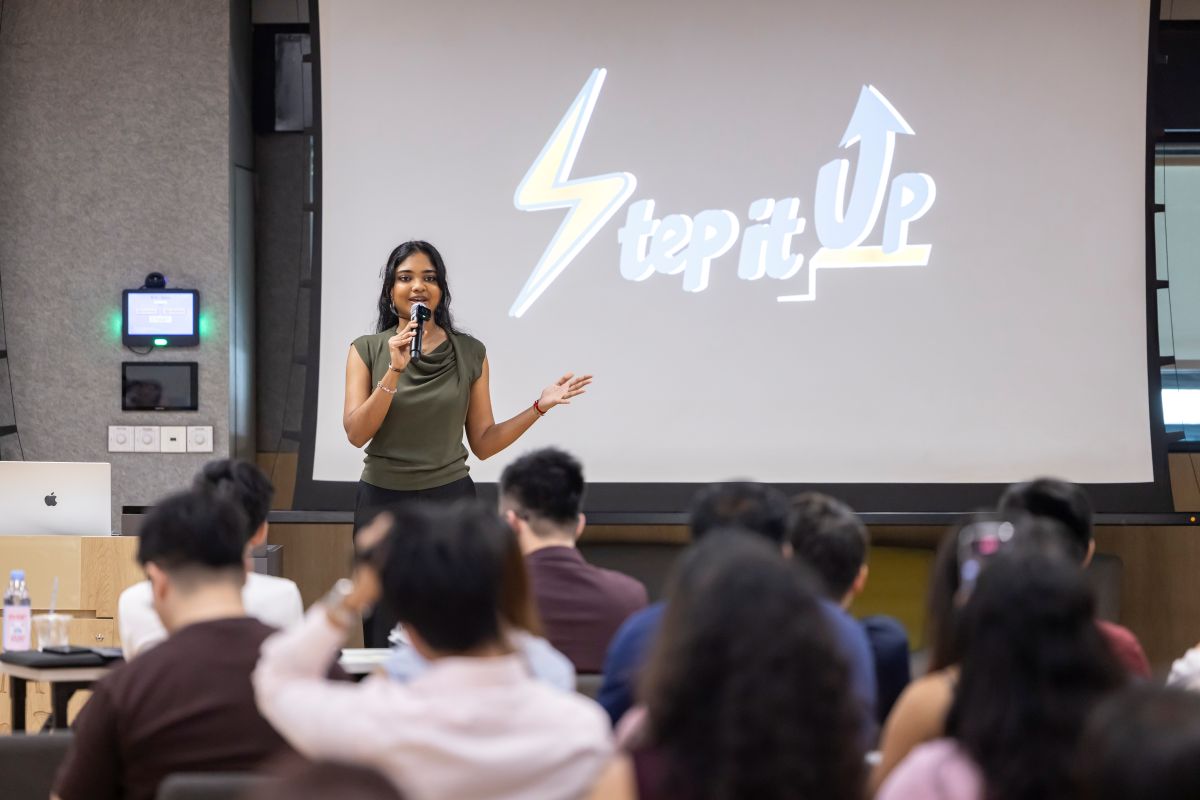
DYOE WSE provides students with dedicated time, mentorship and funding support to develop and scale their ventures. By combining academic learning with hands-on entrepreneurship, the programme aims to nurture graduates who can transform innovative ideas into viable businesses, create jobs and drive innovation across industries.
The second cohort, commencing in January 2027, is already fully subscribed, with 16 startups participating. A third cohort is planned for August 2027.