

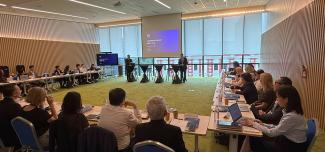
Singapore Management University (SMU) welcomed 35 leaders from 28 member institutions across Asia-Pacific to a closed-door gathering on its city campus on 26 August 2026, for a series of discussions on how higher education might lead responsibly in the age of AI. This was the inaugural APAC Regional Leadership Summit, organised by the Digital Education Council (DEC). As a founding member of DEC, SMU served as the summit's hosting partner, with the aim of catalysing meaningful insights for higher education leaders in Singapore and the region.
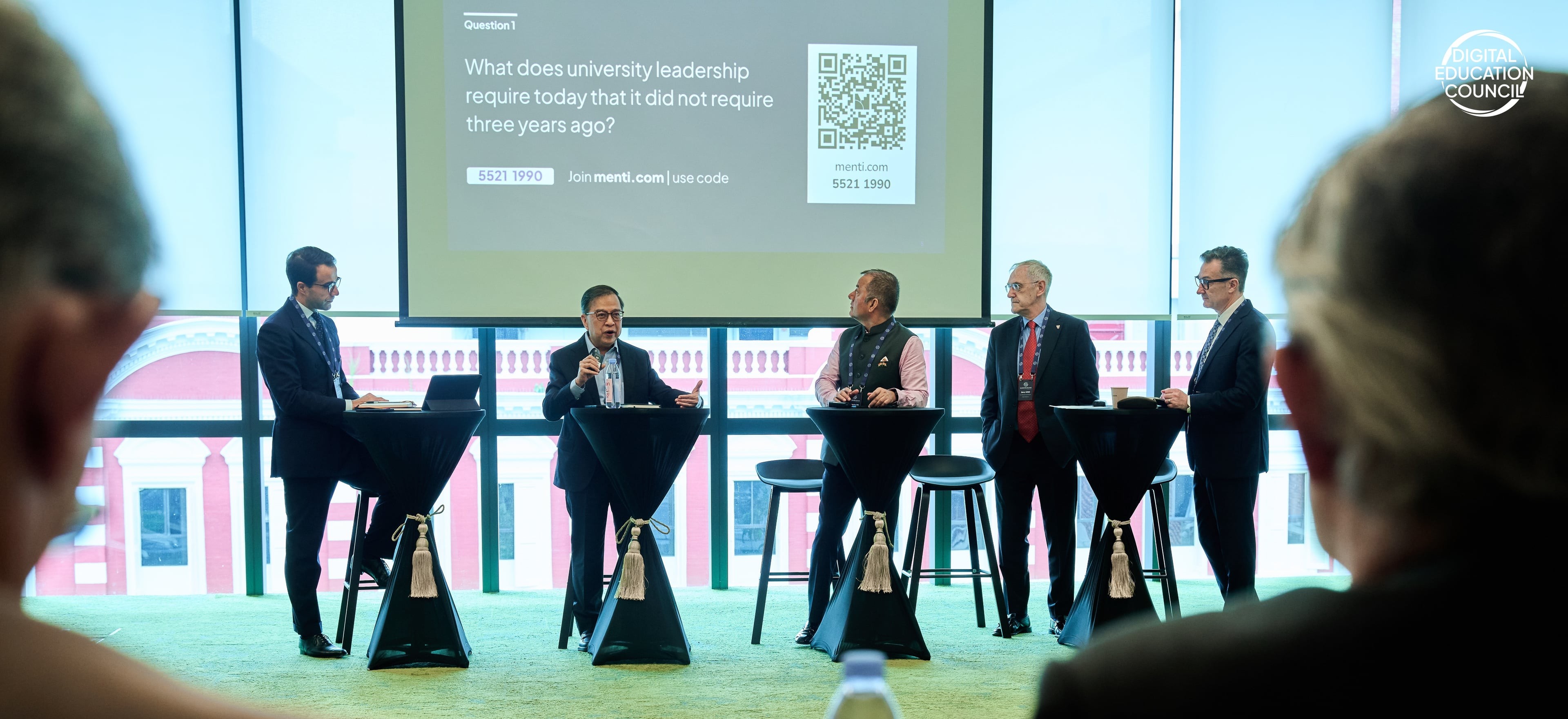
Dialogue was spread across four sessions, starting with the pressures reshaping institutional leadership. This was followed by the institutional models and capabilities needed to respond, and the work of translating strategy into practice. The discussions closed on the plans outlined by DEC for carrying into the region's next chapter.
The day was designed around candid, peer-level exchange, with leaders comparing notes across sharply different national and institutional contexts. Instead of a fixed programme of talks and prepared remarks, each session opened with a short set of data points and guiding questions specific to its theme, put directly to the room and left to shape the conversation.
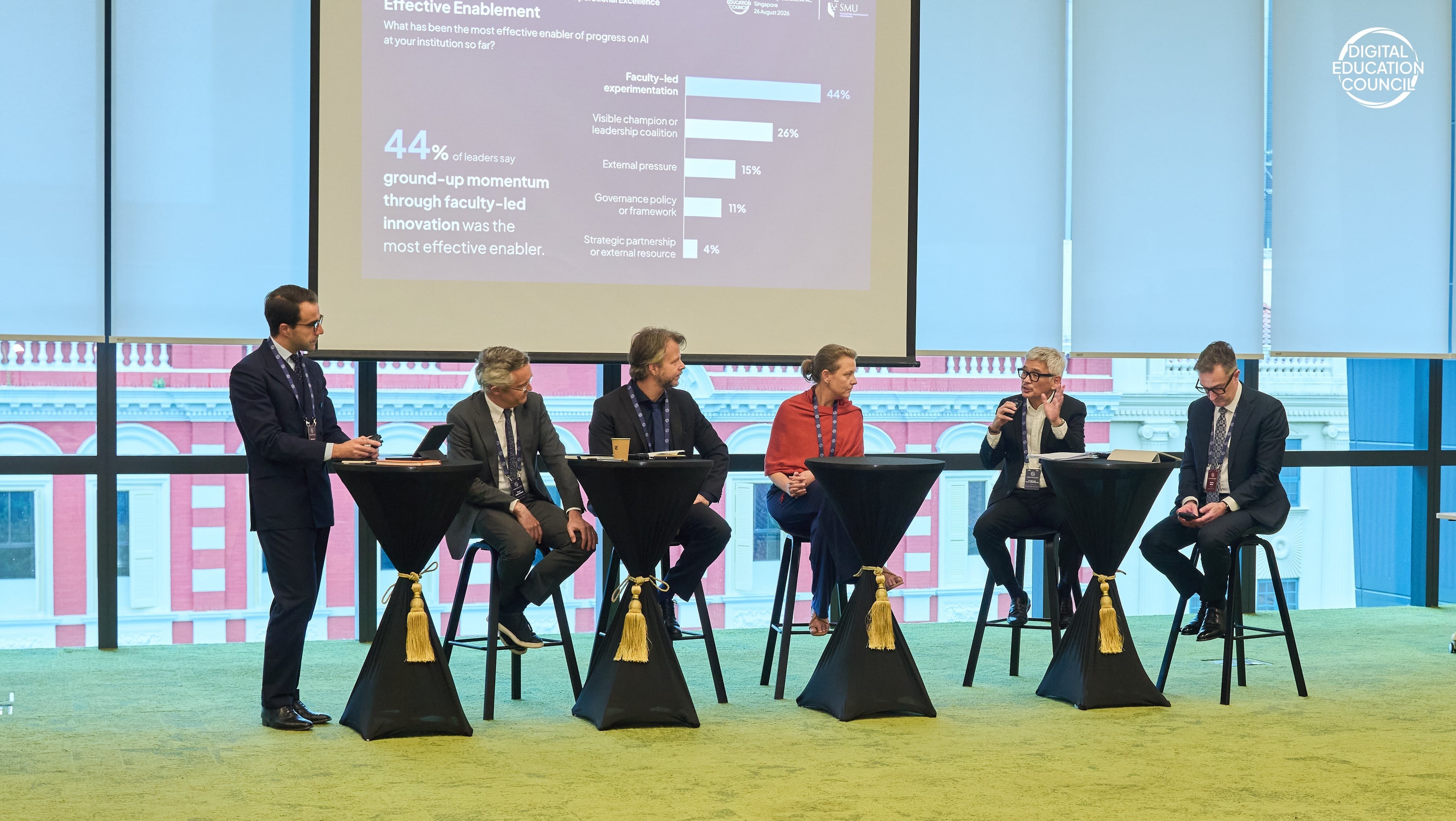
The questions were sharpened by several gaps emerging from DEC's research. For instance, faculty in APAC are leading the world in AI adoption, with 82% now using it in their teaching. Yet, only 3% of employers believing higher education is keeping pace with what the modern workplace demands. Even though 64% of faculty report having gone through AI literacy training, only 29% of students feel their instructors are well equipped to guide them on AI. A separate survey of the summit's participants, conducted prior to the event, found most institutions still building the foundations for AI integration, with initiatives developing across departments faster than the governance structures meant to coordinate them.
Across the day's discussions was a shared recognition that responding responsibly to AI will require sustained institutional attention, not isolated initiatives. No single institution can see the whole of what is happening to higher education from where it stands. Conversations such as these create space for leaders working through similar questions in different contexts to compare what they are seeing and learn from one another as they decide what needs to change.
For a full recap of the summit, read: What Must Higher Education Change Now?
The conversation continues at DEC's Global Summit in Madrid in December 2026.