

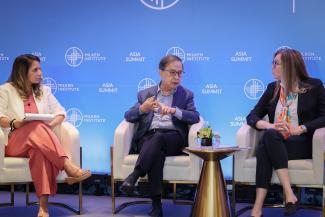
As artificial intelligence reshapes education and the workplace, universities must help learners use the technology effectively without allowing essential human capabilities to erode, said Professor Alan Chan, Provost of Singapore Management University (SMU).
Speaking at the Milken Institute Asia Summit 2026 in Singapore, Professor Chan joined a panel on “AI, Education, and Asia’s Economic Competitiveness”. The session examined how schools, universities, executive education providers and employers can respond as AI changes how knowledge is taught, accessed and assessed.
The Milken Institute is a non-profit, non-partisan think tank that brings together leaders and develops practical approaches to global challenges across areas including finance, health and philanthropy. Its 13th Asia Summit, held from 7 to 9 October 2026 under the theme “Leading with Intelligence”, convened leaders from business, government, education and other sectors to consider how technology, information and human judgement can shape Asia’s future.
SMU representatives have participated in Milken Institute platforms over the years. These include SMU MBA students presenting their award-winning sustainable investment proposal at the Institute’s Global Conference in 2018, as well as faculty and leaders contributing perspectives at its events. Professor Chan’s appearance continues this engagement, bringing SMU’s expertise in education and the future of work to the Asia Summit.
Balancing personalisation with collaboration
In education, he cautioned “Over-dependence is a real risk, but AI and other tools can enhance learning. So ultimately, we want to ensure that students learn more effectively, think more deeply, communicate more clearly, act with a greater sense of purpose and responsibility.”
The discussion also featured Maren Schweizer, Chairperson of Schweizer World Group; Crispian Farrow, Group Chief Innovation Officer at Education in Motion; and Yoshito Hori, Founder and President of GLOBIS University and Founding Partner of GLOBIS Capital Partners. Journalist Balvinder Sidhu moderated the session.
The panellists agreed that AI can support educators with tasks such as lesson planning and resource development, while helping students with research. But they stressed that it should deepen learning rather than provide shortcuts. Alongside technical fluency, learners will need distinctly human strengths such as critical thinking, creativity and collaboration.
Mr Hori highlighted kokorozashi—a personal commitment to contributing to society—as a sense of purpose that AI cannot replicate. Mr Farrow emphasised the value of “productive struggle” in achieving deeper learning and called for AI to be integrated purposefully rather than used as a substitute for foundational learning.
Building cognitive intelligence
Professor Chan underscored the importance of “cognitive intelligence”. He added, “But there are other forms of intelligence that should also inform a well-planned pedagogy.” Educational institutions must therefore rethink curricula and assessment so that students understand AI beyond prompt engineering, can exercise sound judgement and continue to develop the human capabilities needed in an AI-enabled economy.
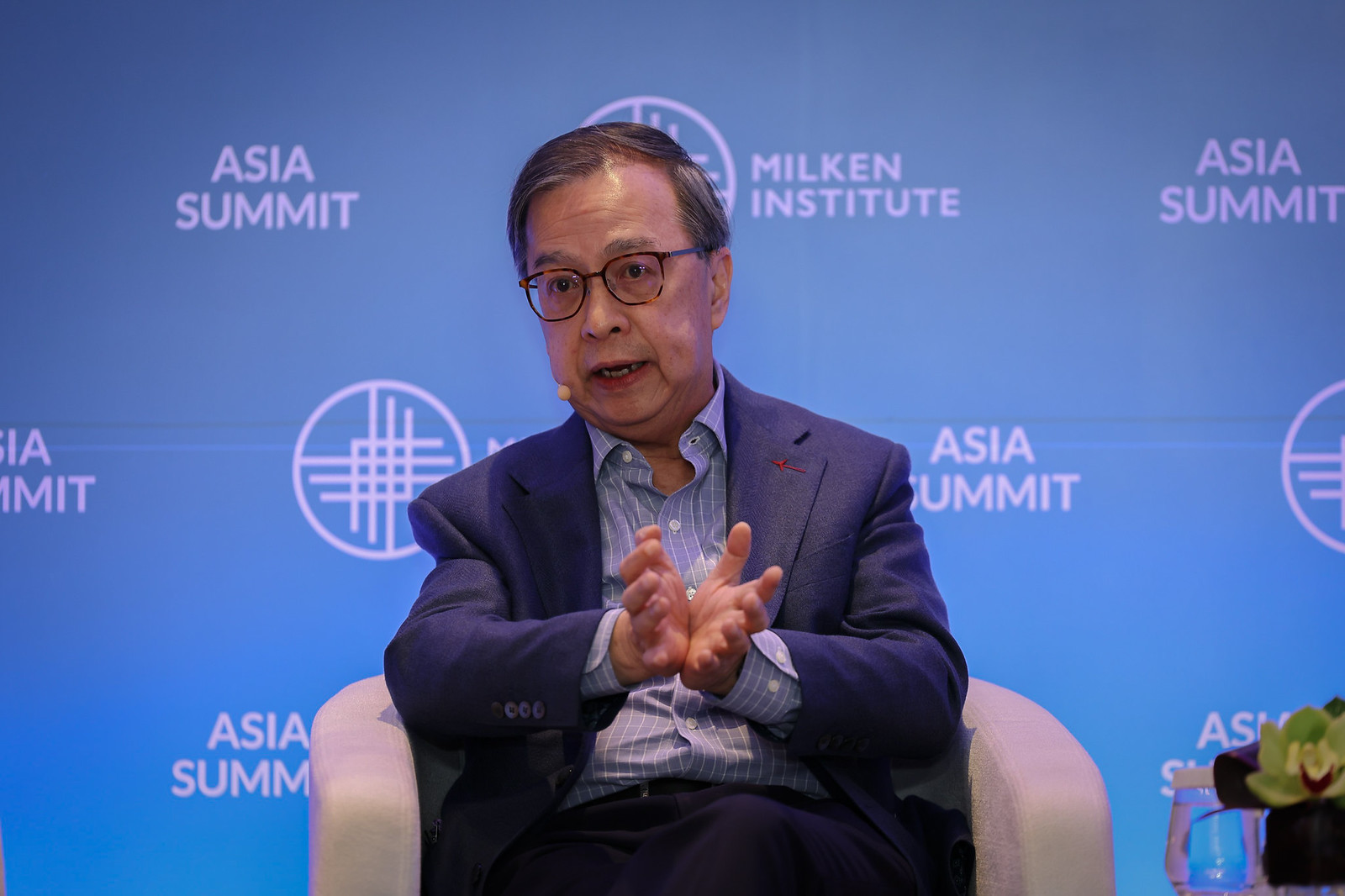
He suggested that the future workforce will need resilience, curiosity, and creativity. “We want to strengthen a students’ abilities to be resilient, to think for themselves, and to be able to communicate clearly.”
How can that be developed and measured in the age of AI? “An essay can be structured into an interrogative exercise with AI or other sources of information. Even in the old days we would teach students to question authority or authoritative sources, and that is no different today. It’s just a different set of tools.”
Preparing students for the future of work
As the discussion moved onto career prospects for the next generation, Prof Chan said entry-level jobs would continue to exist, but the expectations attached to them were likely to rise without a corresponding increase in pay. In order to prepare students for the future, experiential learning and co-curricular learning will be more important, and they will complement classroom learning. “Only a holistic way of looking at higher education will serve the best interests of our students,” he concluded.
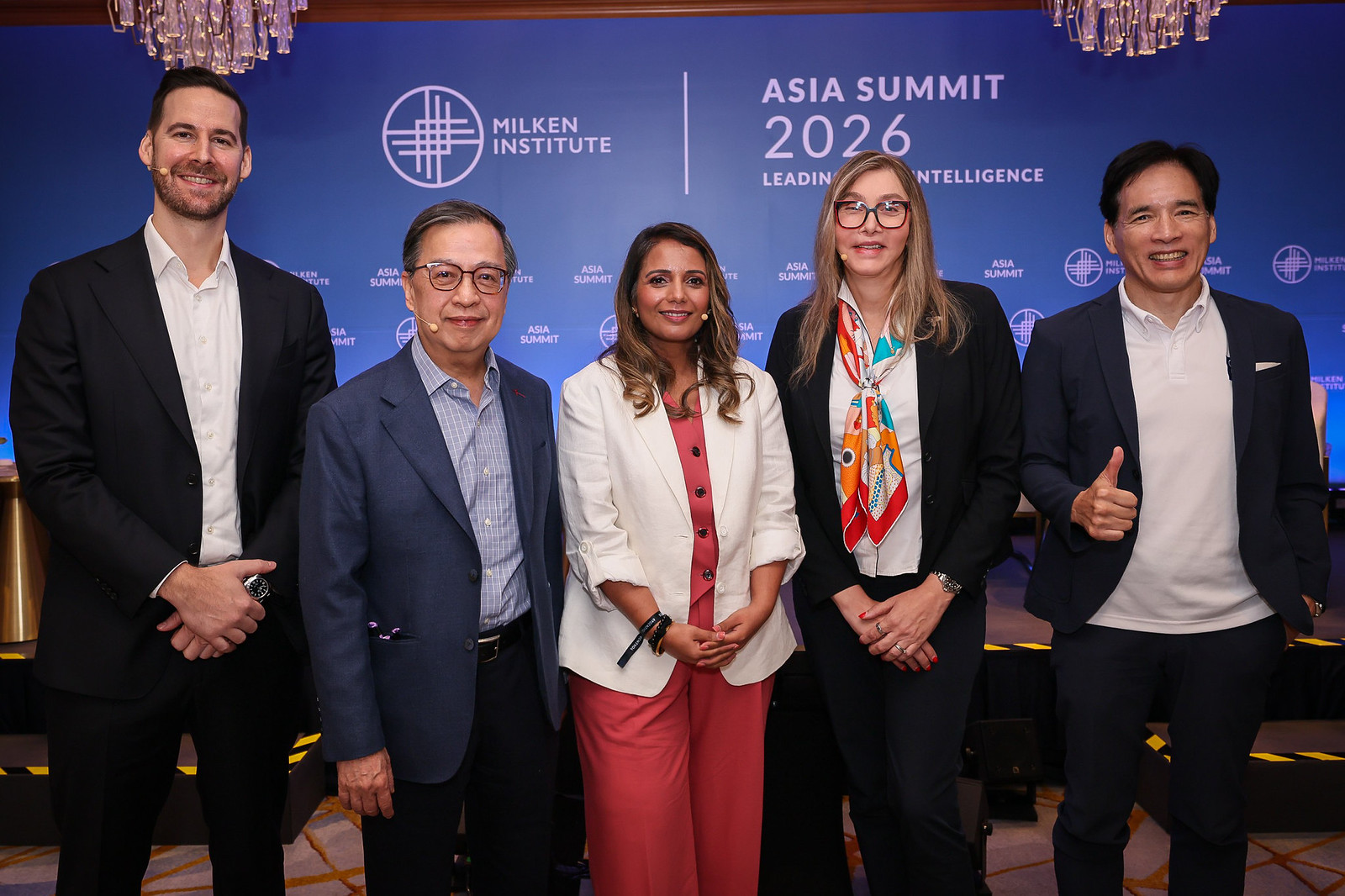
(L-R) Mr Crispian Farrow, Chief Innovation Officer, Education in Motion; SMU Provost Prof Alan Chan; Balvinder Sidhu (moderator), freelance journalist; Ms Maren Schweizer, Chairperson, Schweizer World Group; and Mr Yoshito Hori, Founder and President, GLOBIS University; Founding Partner, GLOBIS Capital Partners.