
Singapore Management University’s (SMU) regional offices curated a series of engagements across Indonesia, Thailand and Vietnam, reflecting a grounded and regionally attuned understanding of women’s leadership.
In Indonesia, the conversation centred on structural gaps and entrepreneurial agency. In Thailand, it unfolded through culture, community and lived experience. In Vietnam, it took shape through research, intellectual ambition and global competitiveness. Taken together, these initiatives offer a strategic framing of empowerment, one that moves beyond visibility to capability, resilience and long-term influence.
Indonesia: Progress with Structural Realities
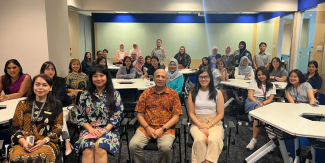
In Jakarta, SMU Indonesia convened a panel discussion titled “Leading Against Expectations”, bringing into focus the evolving role of women in the country’s economic and professional landscape.
The discussion reflected a dual reality. On one hand, women in Indonesia have made significant strides in workforce participation over the past few decades. On the other, structural inequities remain, most notably in the persistent gap in equal pay for equal work. This tension framed the conversation, grounding it in both progress and unfinished business.
Dr. Luh Gede Saraswati Putri of Universitas Indonesia offered a critical perspective shaped by both academic insight and lived context. In many rural communities, she noted, women are still expected to assume traditional homemaker roles. Yet within these constraints, a quiet transformation is underway. Women are leveraging social innovation to establish micro-enterprises, contributing meaningfully to household income and, in many cases, reshaping economic dynamics at the community level.
These businesses, often informal and small in scale, are nonetheless significant. A large proportion of micro-enterprises in Indonesia are founded and run by women. This signals a form of leadership that is decentralised and embedded within everyday life, rather than concentrated in corporate hierarchies.
Vania Wijaya Gunawan, an SMU alumna and founder of O2 ACTIVE, added a pragmatic entrepreneurial lens. Contrary to common assumptions, she argued that women do not necessarily face greater hurdles when starting a business. The more decisive factor lies in mindset. Drawing from her own experience, she emphasised that fear of failure can be more limiting than structural barriers. In business, failure is not an endpoint but a mechanism for learning and eventual success.
From a strategic standpoint, Indonesia’s narrative suggests that empowerment is not solely about removing barriers, but also about reframing how opportunity and risk are perceived. The challenge ahead lies in bridging the gap between grassroots entrepreneurial momentum and systemic equity, particularly in areas such as wage parity and access to capital.
Thailand: Cultural Capital as Economic Power
In Thailand, SMU’s IWD engagement took a different form, it was one rooted in culture, community and the transmission of knowledge across generations.
The visit to Ayutthaya brought the SMU Thailand team into direct contact with women-led social enterprises, where entrepreneurship is deeply intertwined with cultural preservation. At Baan Pa Mali Thai Desserts, traditional recipes are more than culinary artefacts. They are vehicles of economic participation, enabling women to build sustainable livelihoods while safeguarding heritage.
Similarly, The Artisans Ayutthaya, an internationally recognised women-led restaurant, demonstrates how cultural knowledge can be translated into enduring business models. Through food, storytelling and shared experiences, these enterprises illustrate how culture itself can function as capital, generating both economic and social value.
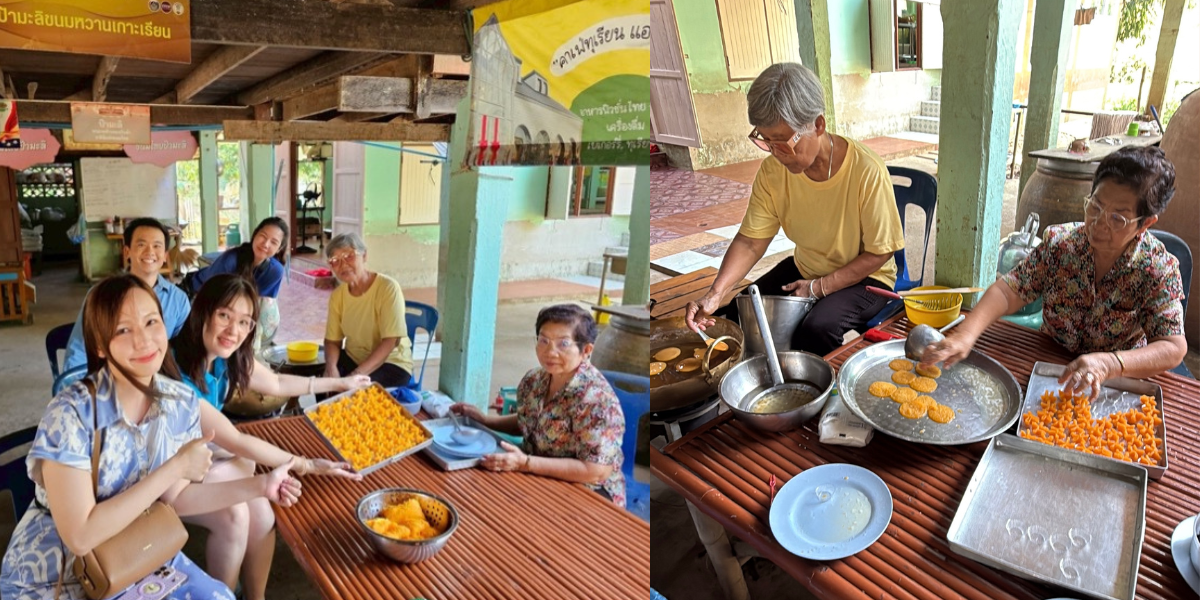
For SMU Thailand, the visit reflects a broader strategic commitment to connecting education with real-world communities. By engaging directly with local entrepreneurs and social enterprises, the initiative moves beyond classroom learning, creating a two-way exchange of knowledge.
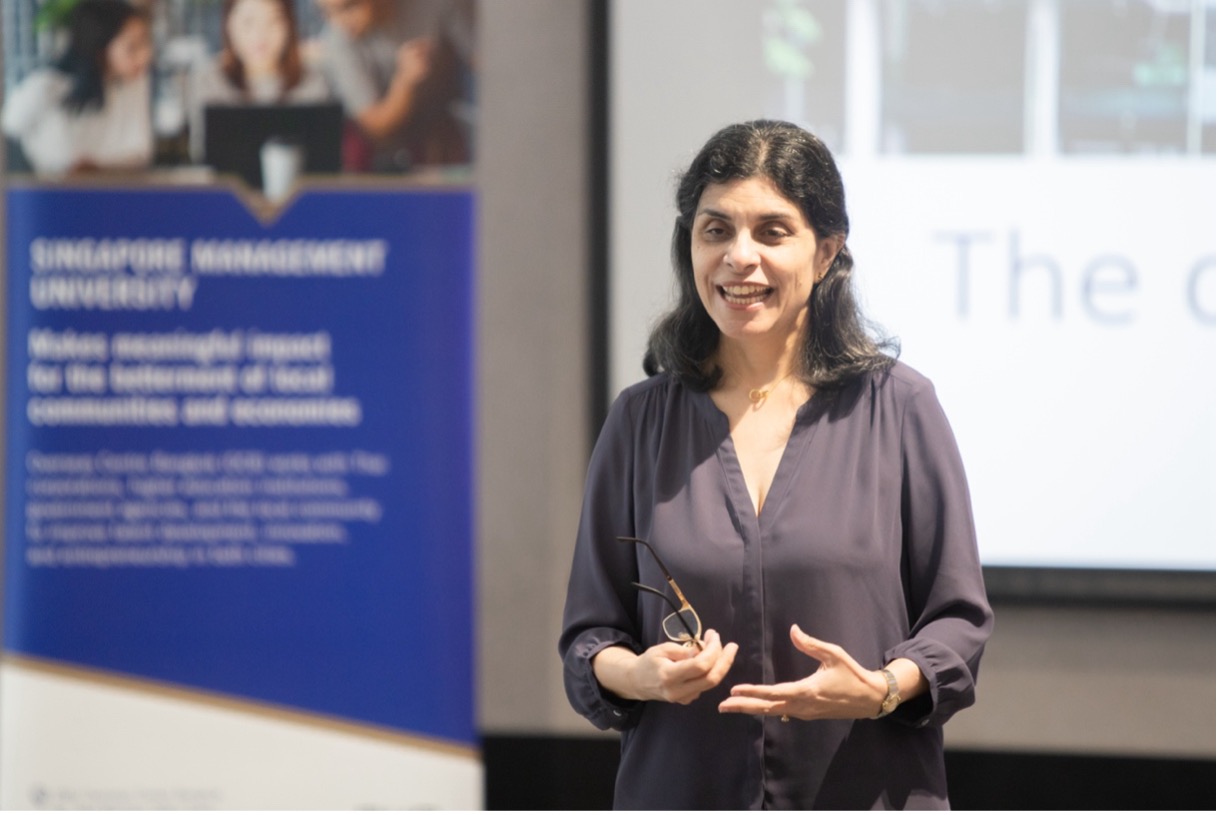
On 19 March, this commitment extended into the academic sphere, with Dr. Havovi Joshi, Director of SMU’s Centre for Case Learning Excellence (CCX), leading a case writing workshop to academics in Thailand. The session equipped faculty and practitioners with practical tools to develop Asia-relevant teaching cases grounded in real-world business challenges. By capturing regional insights and experiences, these cases help bring Asian business realities into classrooms around the world. In the spirit of IWD, the initiative also recognises the role of women leaders like Dr. Joshi in advancing knowledge creation and shaping the future of business education, reflecting the growing influence of women in translating real-world experiences into impactful learning resources.
The takeaway from Thailand is clear - empowerment can take many forms, from preserving a recipe to building a community enterprise and inspiring future generations. Each form, while modest in isolation, contributes to a broader ecosystem of resilience and continuity.
Vietnam: Building Women’s Leadership in Research
In Hanoi, SMU Vietnam’s “Research in Singapore 2026” networking event shifted the focus towards intellectual leadership and the role of women in shaping the future of research.

The programme positioned women in research as a reflection of deeper qualities: the determination to pursue rigorous academic pathways, the resilience required to sustain scholarly inquiry, and the readiness to operate within highly competitive global environments such as Singapore.
By bringing together participants from leading universities and connecting them with Singapore’s academic ecosystem, it enables women researchers to strengthen their competencies and integrate into international networks. These networks are critical, often determining access to collaboration, funding and visibility.
More broadly, the initiative underscores a forward-looking commitment to empowering women to assume leadership roles in research. By investing in women within this space, SMU is effectively contributing to long-term structural change.
Women's Leadership in Asia
Across Indonesia, Thailand and Vietnam, SMU’s International Women’s Day initiatives reveal a deliberate and cohesive approach. Each market reflects its own context, yet all contribute to a broader narrative about women’s leadership in Asia.
Across diverse contexts, from rural communities to academic institutions, women in Asia are shaping their own pathways. SMU’s role, as reflected in these IWD 2026 initiatives, engages with them and help extend their reach.