
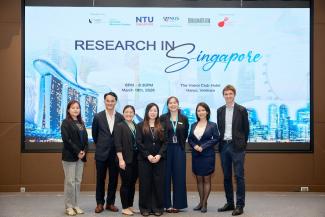
Singapore Management University (SMU) recently convened prospective doctoral candidates in Hanoi for its “Research in Singapore 2026” networking session, offering a closer look at how its Vietnam Representative Office supports students navigating pathways into global postgraduate education.
Organised by the College of Graduate Research Studies (CGRS) and SMU Vietnam teams, the session brought together aspiring students exploring doctoral studies, with SMU leading the engagement alongside Singapore’s other three autonomous universities, presenting a collective view of the country’s research ecosystem and opportunities.
Local touchpoint in a global journey
At the event, university representatives outlined how the SMU Vietnam supports students at every stage of their academic journey, from early exploration through to application, serving as a critical bridge between Vietnam and Singapore’s higher education landscape.
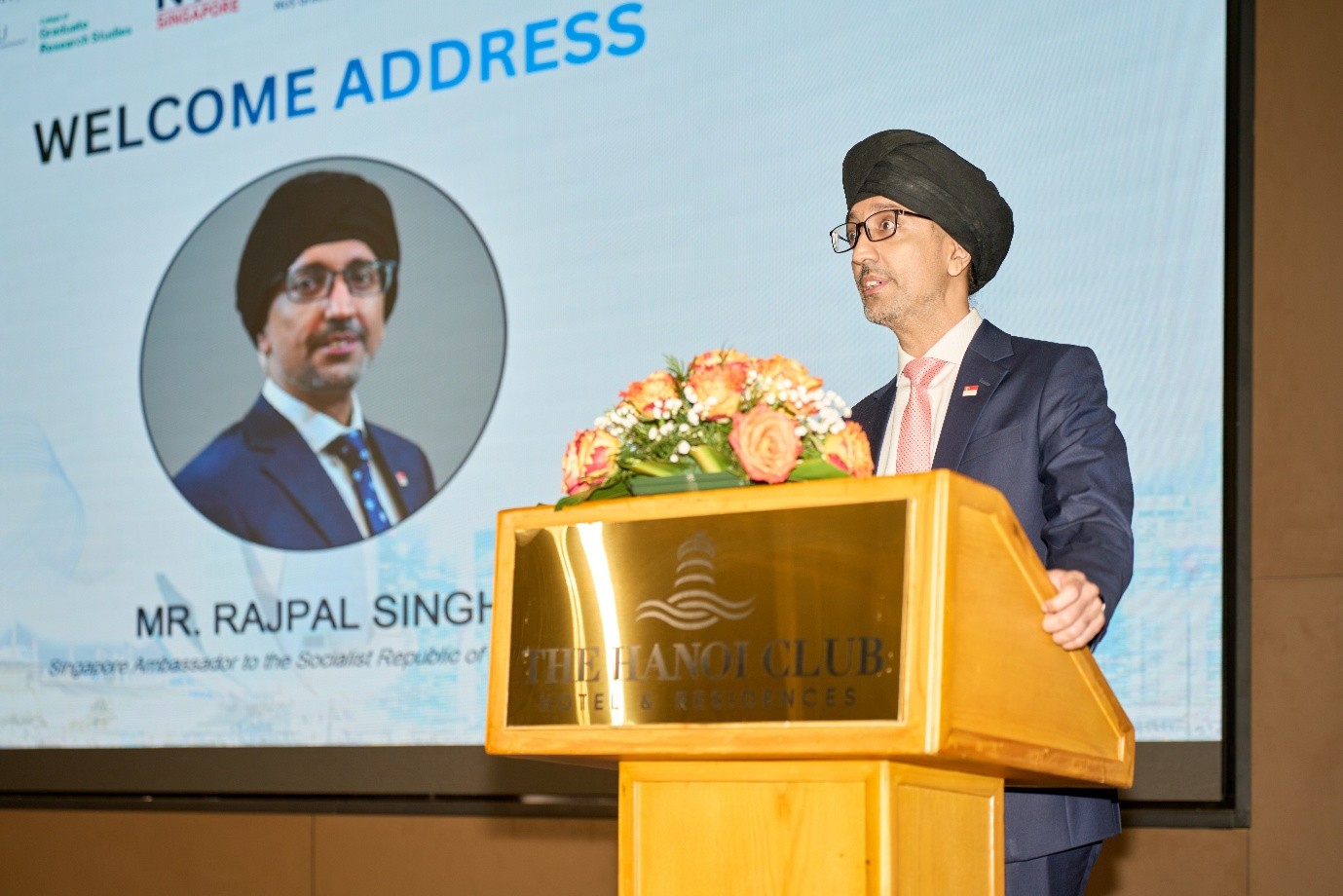
Highlighting the broader significance of the collaboration, His Excellency Mr Rajpal Singh, Singapore Ambassador to the Socialist Republic of Vietnam, noted that the joint effort reflects both the promise of Vietnamese students and the strength of bilateral ties.
“It is rare to see four world-class universities come together in such a concerted effort. It reflects both the strong potential recognised in Vietnamese students and the deep importance we place on our ties with Vietnam and its people. Singapore has long served as an educational hub for Vietnamese students seeking to advance their academic pursuits, and this tradition continues to flourish.
Vietnamese students who pursue postgraduate studies and PhDs in Singapore return home as valuable contributors to Vietnam’s development, bringing with them cutting-edge methodologies, innovative approaches, and international perspectives. At the same time, they enrich Singapore’s research and academic landscape, contributing diverse viewpoints and a deep cultural understanding that strengthen our institutions.”
Positioned as SMU’s official presence in Vietnam, the office provides information on programmes, advises on study pathways, and helps students better understand the expectations of studying in Singapore.
Participants heard that such local engagement has become increasingly relevant as more Vietnamese students consider overseas postgraduate education, often navigating a wide range of information sources.
Preparing students for an interactive learning environment
A key theme at the session was SMU’s seminar-style, discussion-driven pedagogy, which differs from more traditional lecture formats.
Minh Anh, a Vietnamese postgraduate student at SMU who attended the session, shared her experience: “The environment here forces you out of your comfort zone. Instead of passive learning, we are constantly required to challenge ideas and defend our solutions against demanding real-world scenarios.”
Speakers noted that early exposure to this teaching style, through briefings and engagements organised by the Vietnam office, helps students adjust more quickly when they begin their studies.
Connecting research with real-world application
The session also highlighted opportunities for students to engage in applied research, particularly in areas relevant to regional economies.
Faculty members, many of whom have advisory experience with industry and government, work with students on projects that extend beyond academic theory.
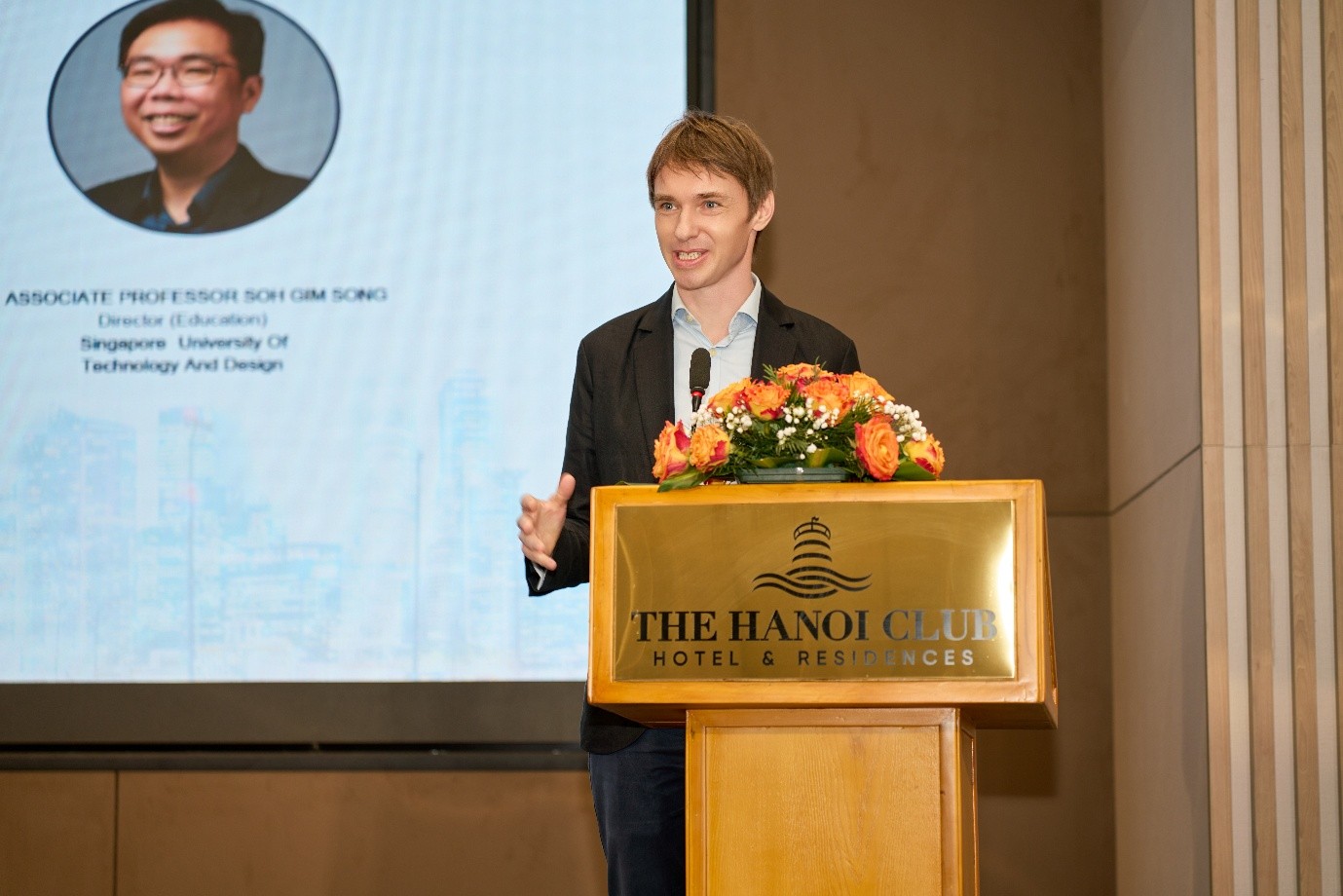
Orlando Woods, Professor of Geography; Associate Dean (Research and Postgraduate Education); Director of the SMU Urban Institute; and Pillar Lead for Urban Experiences, shared what makes Singapore and SMU compelling destinations for research and PhD studies, highlighting the University’s prime location, remarkable progress over just 25 years, industry-oriented approach, and interdisciplinary pedagogy.
Attendees were also introduced to examples of how students can explore research topics linked to Vietnam’s development, with guidance from faculty specialising in areas such as urban development and digital transformation.
Access to networks and career pathways
SMU representatives pointed to the university’s location in Singapore’s central business district as an advantage, giving students proximity to multinational firms and financial institutions.
The university’s alumni network, spanning sectors such as technology and finance, was also highlighted during the session.
Through events like “Research in Singapore 2026”, prospective students in Vietnam are given early exposure to these networks, offering insight into potential career pathways after graduation.
Reflecting growing interest from Vietnam
The turnout of close to 100 attendees at the session reflects sustained interest among Vietnamese students in international postgraduate education, particularly in programmes that combine academic rigour with industry relevance.

SMU Vietnam will continue to organise similar engagements, aimed at helping students make informed decisions while building connections ahead of their studies.
For attendees, the session offered both practical guidance and a preview of the academic and professional environment they could enter.
As one participant noted after the event, understanding how study, research and industry intersect was as important as choosing the programme itself.