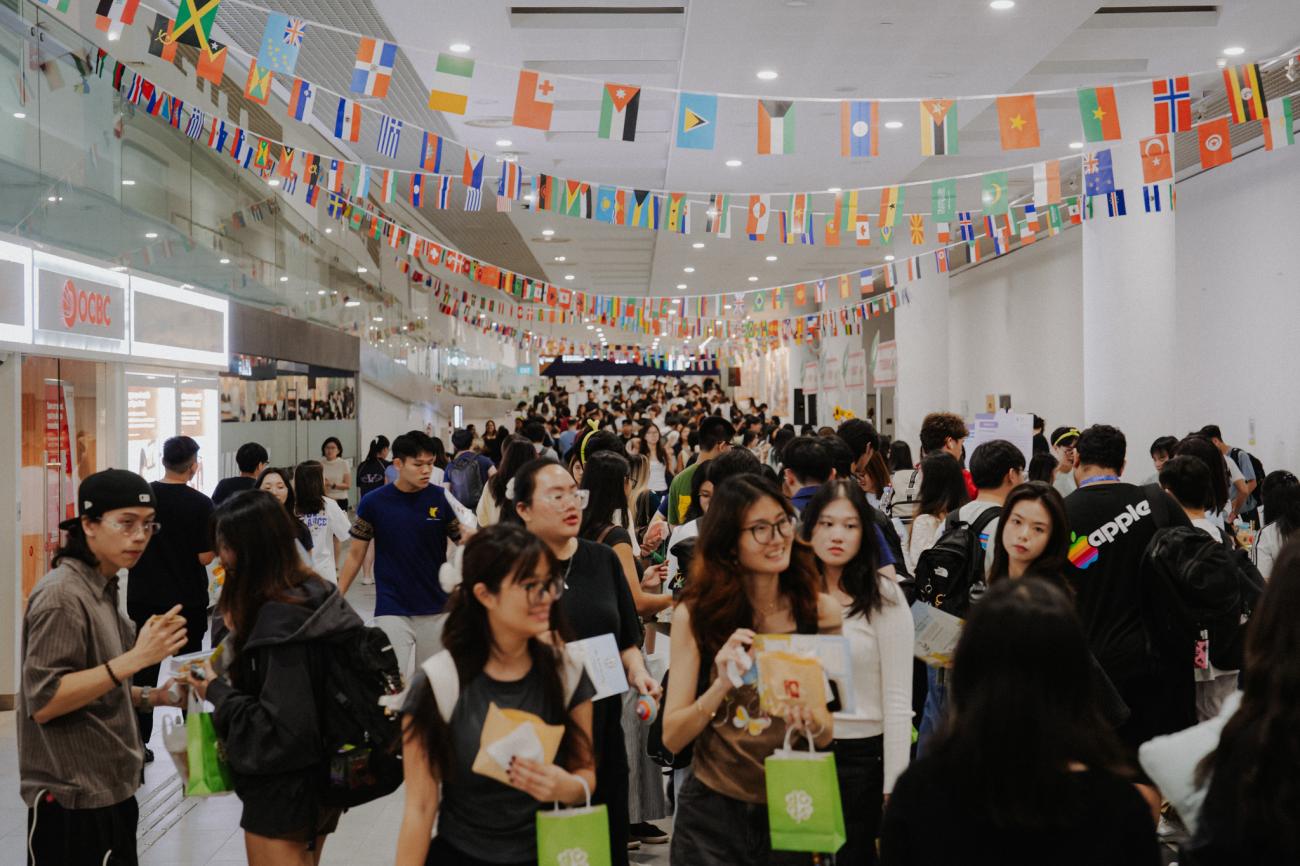

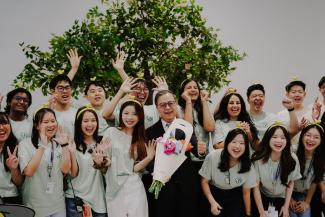
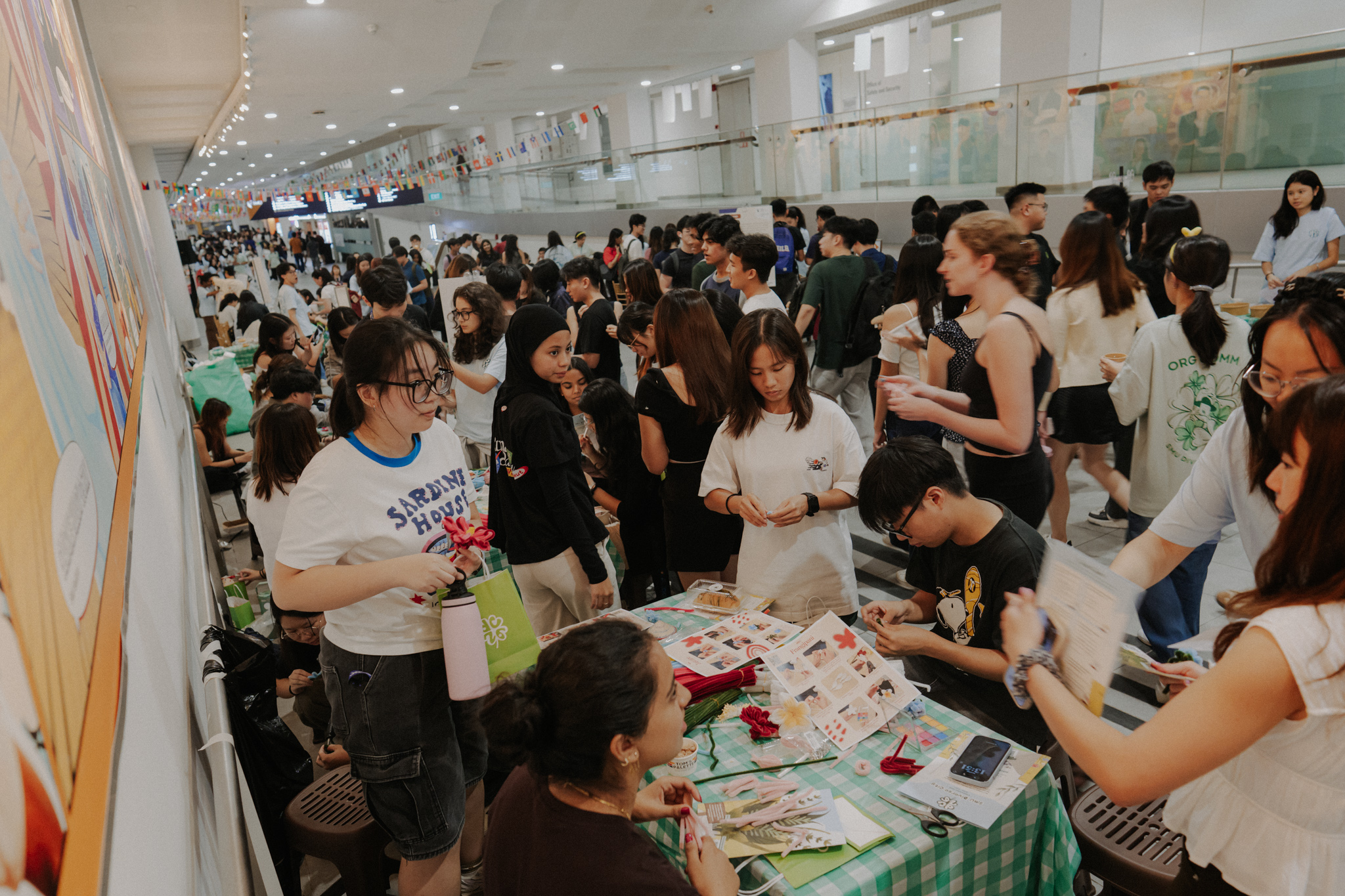
For years, every September would see the SMU Concourse transformed into a playground of virtual trains, digital islands, and distant galaxies for Diverse-City, the university’s celebration of cultures. This year, the festival brought nature directly onto campus with a lush garden theme.
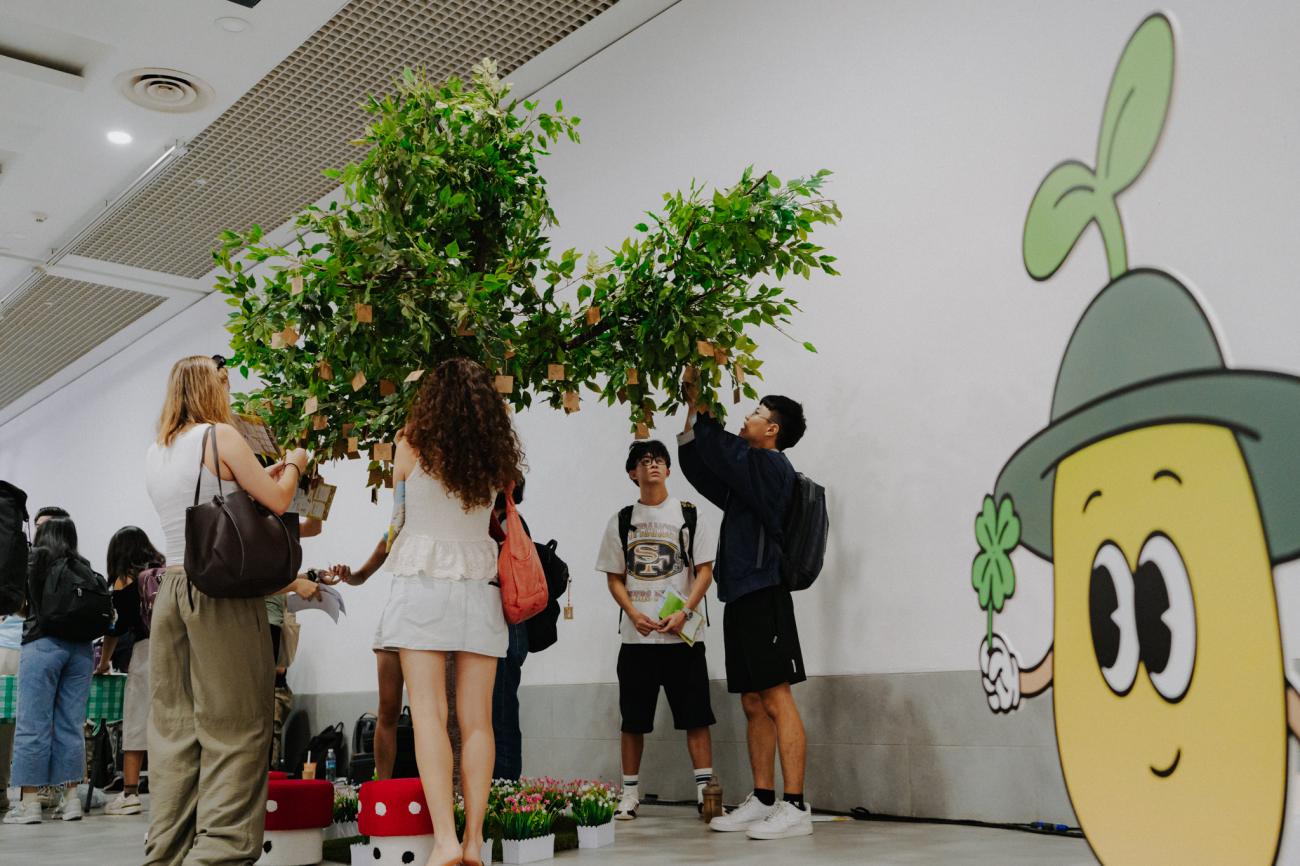
By shifting the focus from "journey" to "growth," the event highlighted the essence of its purpose: moving beyond cultural tourism to cultivate real, shared connection. Students thronged the concourse decked in "Sprout" headbands, winding through vibrant plant clusters that spilled well beyond the venue’s usual borders.

A Theme Rooted in Singapore
"With the previous years focusing on the 'journey', we wanted to celebrate the 'growth' that comes with embracing diverse cultures," expressed Co-Chair Wong Jun Yang. "As Singapore takes over the ASEAN chairmanship in 2027, we were inspired by Singapore's melting pot of cultures, and we wanted to use the 'Garden City' title as our theme."
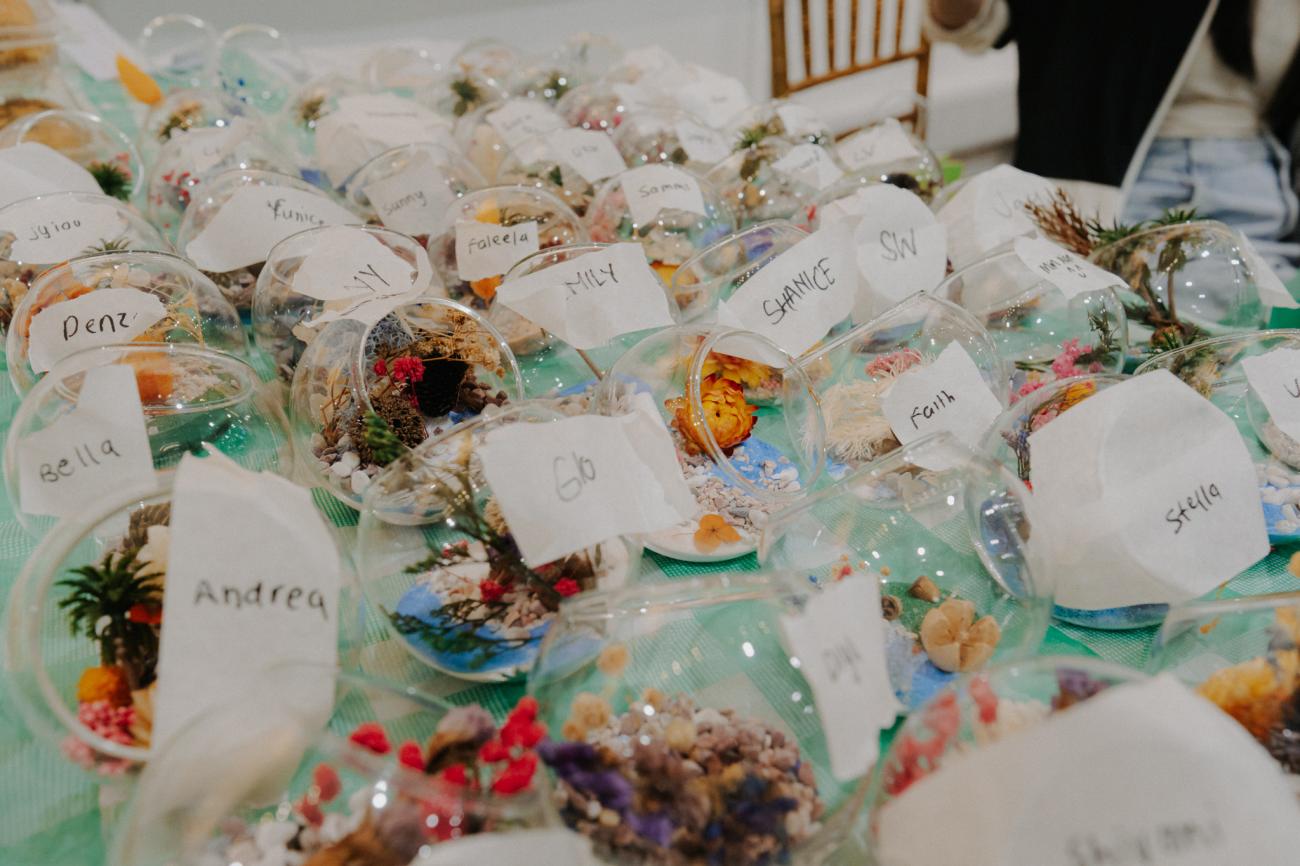
Co-Chair Palak Deven Chitaliya sees the same metaphor doing double duty. "A garden to us was a symbol of growth and strong roots, which also aligns with SMU’s Asia-Ready Education Framework and its focus on helping students develop a deeper understanding of Asia’s diverse cultures, societies and opportunities," she said. “It also reflects the steady growth of many industries across the region.” Palak shared that the students also wanted a chance to represent the 14 cultural clubs "in ways beyond the gastronomic and musical, hence the flowers that decorate our Diverse-City garden this year."
It’s a theme that mirrors Singapore’s own identity — shaped by generations of migration and cross-cultural exchange — bringing it full circle for a festival dedicated to helping SMU’s own melting pot understand itself.
A Signature Event Finds a Higher Calling
This year, the festival has an expanded reach. Diverse-City has been named a signature event under SMU’s Asia-Ready campaign, which seeks to build awareness, excitement and participation in Asia-focused learning opportunities, while helping students understand the value and relevant of Asia in an increasingly interconnected world.
For Jun Yang, the campaign hasn't changed the mission of Diverse-City. "The event's purpose has not changed a single bit," he said. “The Asia-Ready campaign helps us build on what Diverse-City has always done well, which is encouraging students to learn about different cultures and perspectives. We hope it also inspires them to discover more of the opportunities available across Asia.”
Palak feels that it is less a change in purpose but an expanded mandate. "There is definitely a bigger responsibility on our shoulders to make sure that we do justice to shedding light on the many opportunities that Asia holds, especially for the younger generation," she said, "be it to further your education, build your career, or just find a new beginning for yourself."
That scale shows up in the numbers: nine Asia-Ready focus countries: five Tier 1 priority markets (Indonesia, Thailand, Vietnam, China, India) and four Tier 2 markets (the Philippines, Malaysia, South Korea, Japan) now sit alongside the 14 cultures showcased by SMU ICON's clubs. The lists don't map onto each other exactly, and that's by design: Diverse-City continues to celebrate SMU's full community, from the Middle East to France, even as Asian cultures take extra spotlight this year.
A newly launched microsite maps out where that curiosity can lead, from short cultural immersions to overseas internships and exchanges. Diverse-City sits at the very start of that journey, the campaign's "Asia Attuned" stage.
Driving Impact Beyond the Festival
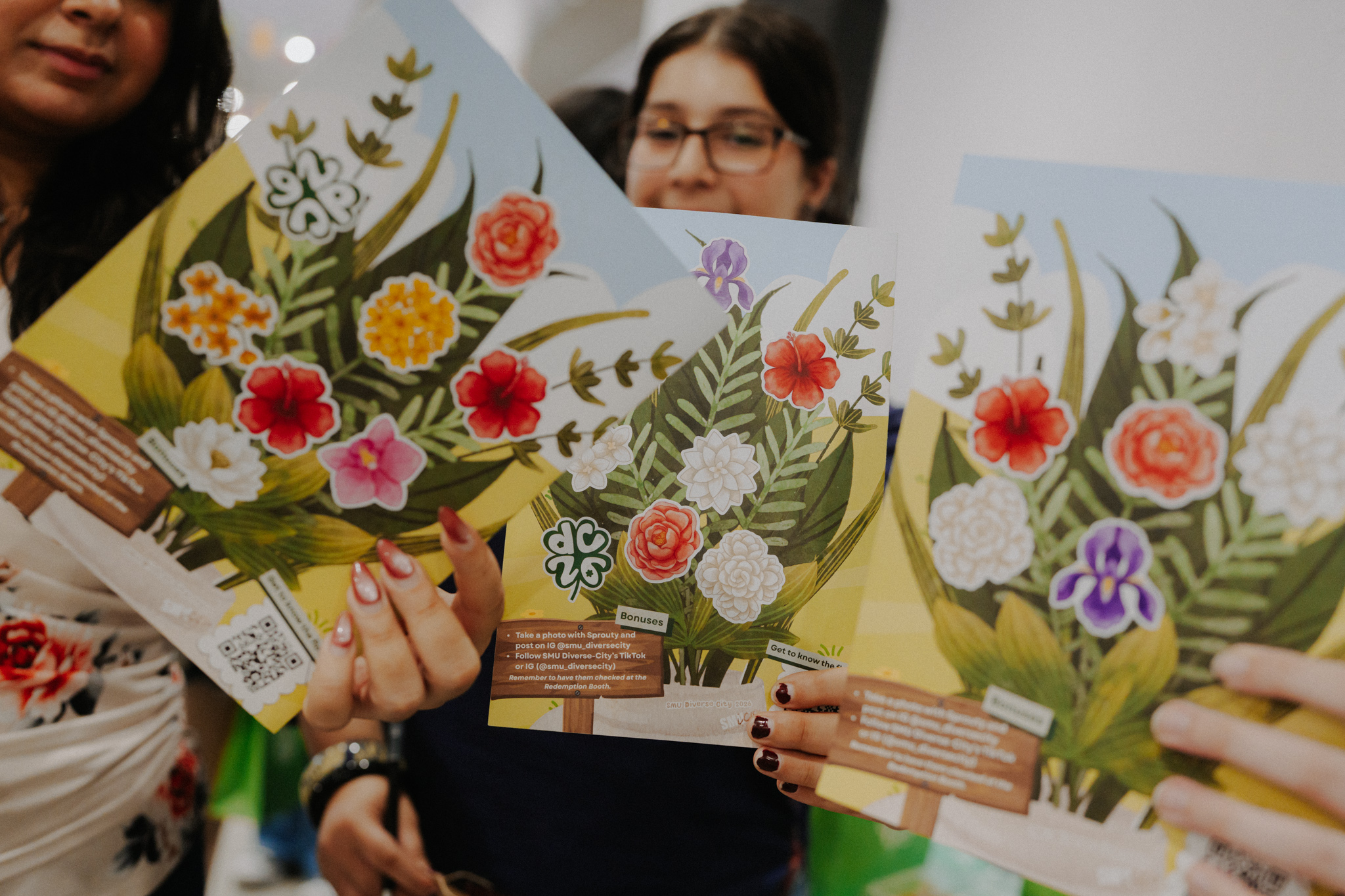
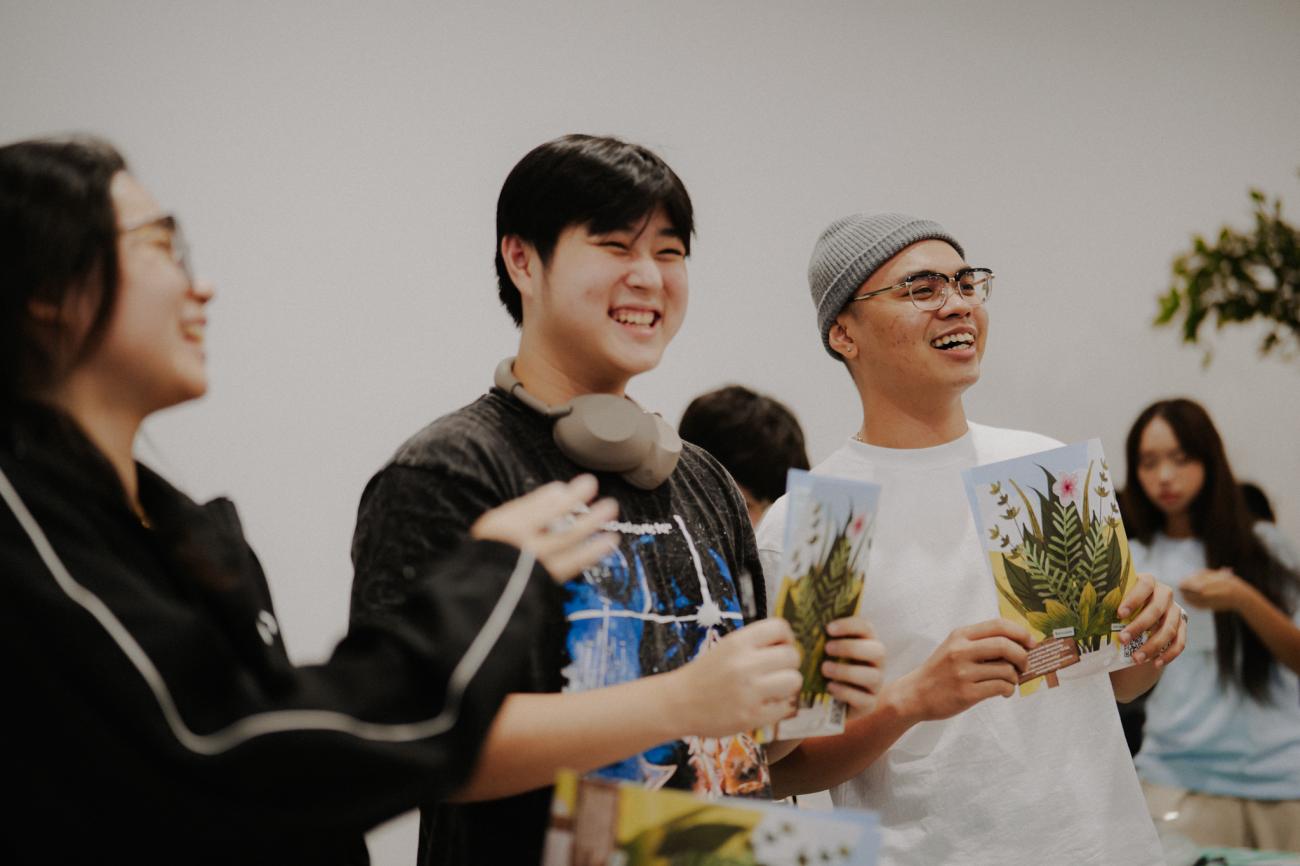
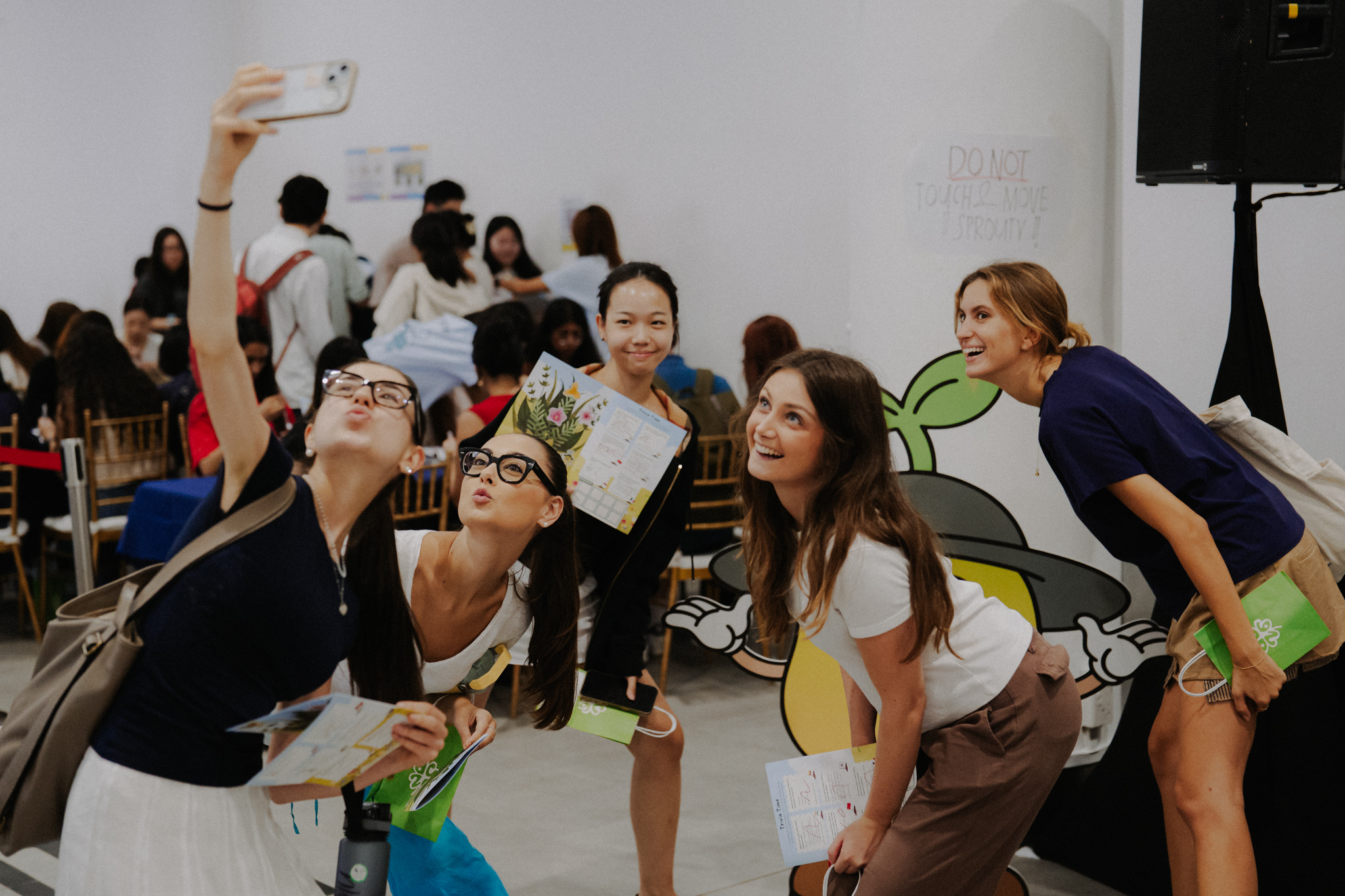
The success of the festival is in its lasting impact. "I wish the students can take back a deeper sense of appreciation for the different cultures present in Singapore, and be more engaged with what SMU ICON and its Cultural Clubs have to offer," said Jun Yang. This year, that appreciation comes with something to hold onto: a bouquet-themed postcard, one flower for every culture encountered.
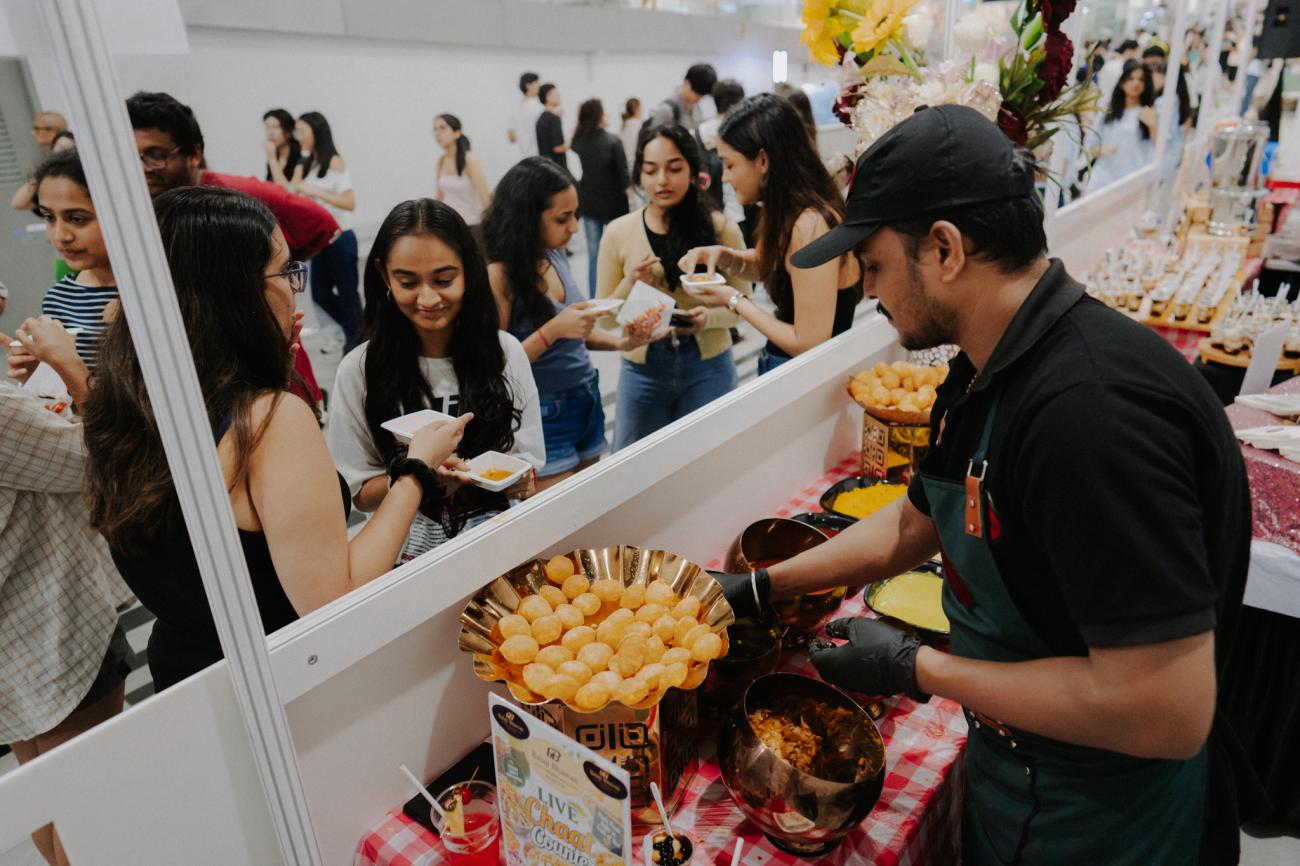
Palak's vision spans the immediate and the enduring. "I want everyone to walk away feeling hopeful towards the future, having formed new friendships and gained an abundance of knowledge about what each culture has to offer in the melting pot that is Singapore," she said, before adding that she also hoped everyone would "leave with their bellies full and taste buds tantalised."
Jun Yang hopes that the event’s impact extends far beyond a single afternoon on the concourse. "I personally aspire for people to remember SMU Diverse-City 2026 as one of SMU ICON's signature events, alongside ICON Camp," he said. "I hope the positive memories inspire these same people to continue participating in more cultural club events, to learn more about new cultures, make new friends, and have these experiences become a core memory of their time at university."
It's a sentiment that is echoed almost every year of Diverse-City's history: past staff and student leaders have described the event as preparation for a "cross-cultural" workforce, or as "travelling without leaving campus." What's different in 2026 is the infrastructure is now built to carry that further, from a single afternoon in the garden to a genuine reason to step onto a plane.
For now, it begins with one afternoon, one garden, and fourteen flowers — and the hope that something planted there keeps growing long after the booths come down.