


Artificial intelligence (AI) is no longer just reshaping how students write essays, code, or optimise their calendars. Quietly but rapidly, it has entered a far more intimate space — how we reflect, cope, and seek emotional support. As algorithm-driven tools become deeply embedded in our daily routines, a critical question surfaces: What impact does it have on our mental health?
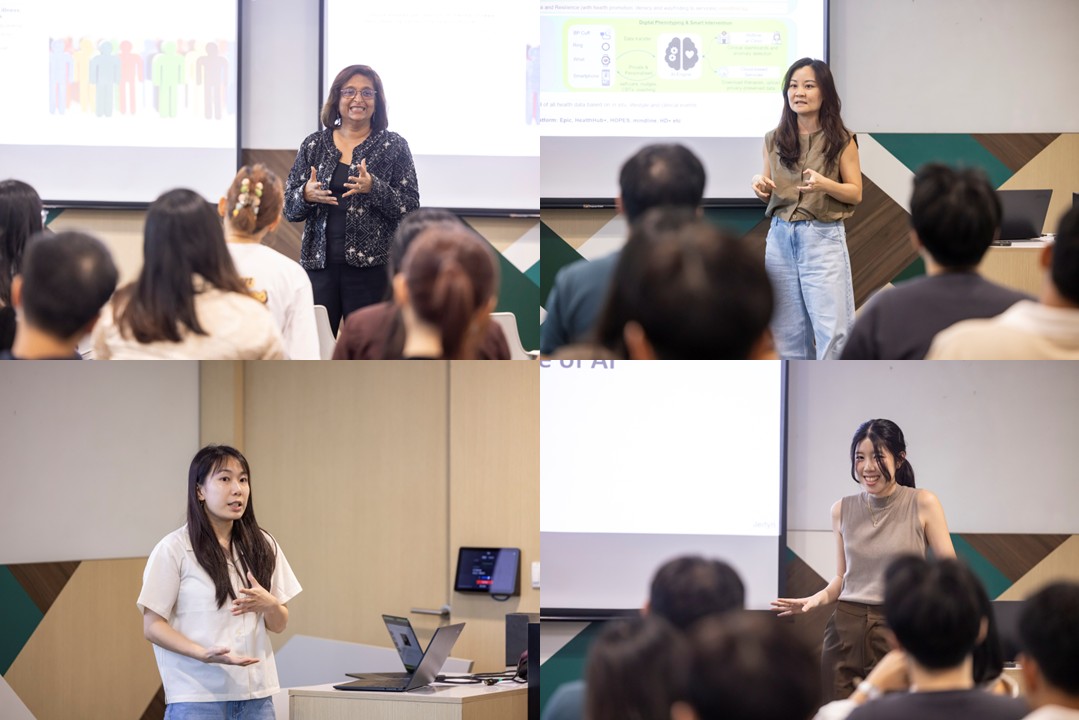
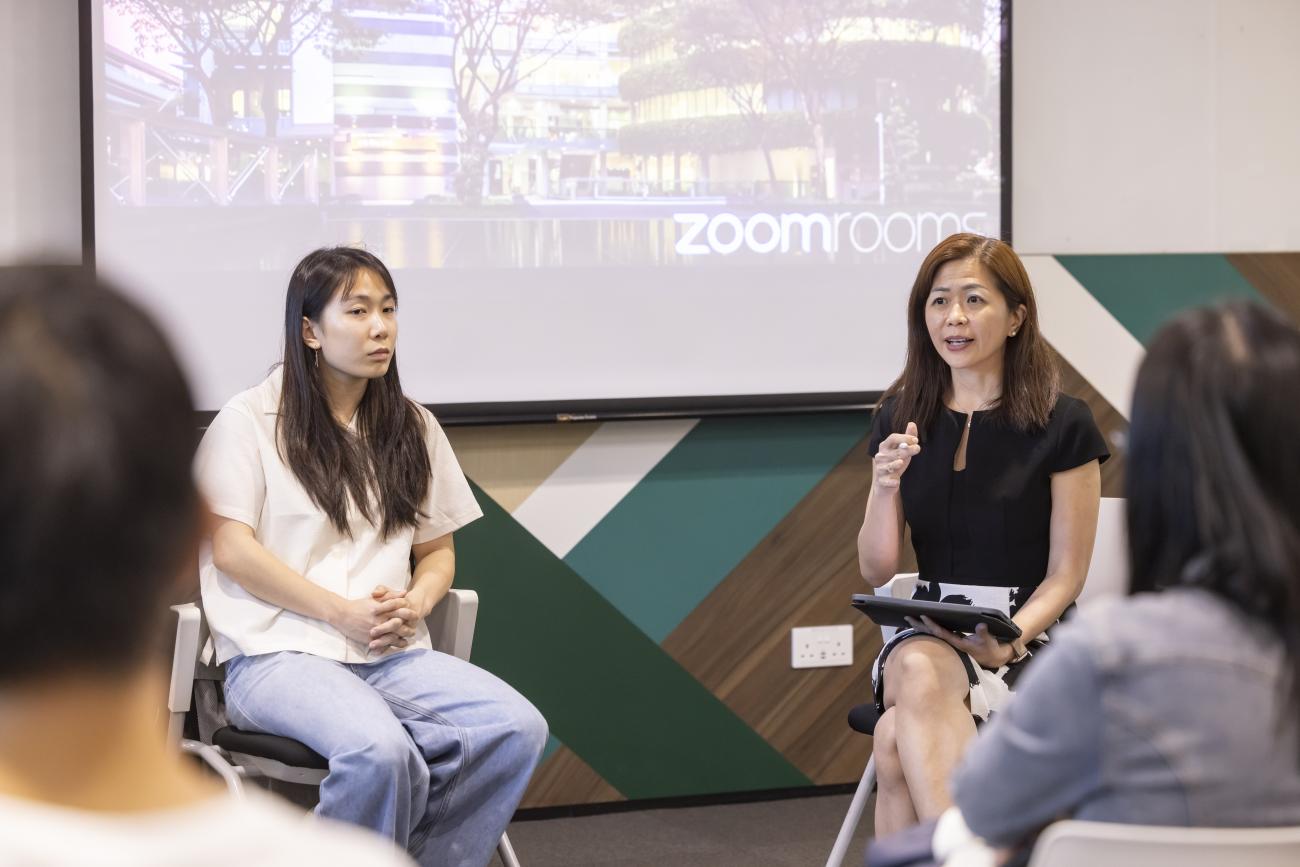
To unpack this digital evolution, the Mrs Wong Kwok Leong Student Wellness Centre (MWKLSWC) recently hosted a panel discussion, titled Mental Health in the Age of AI. Moderated by Michelle Koay (Head of the Student Wellness Centre), the session brought together experts from psychiatry, digital health, and academia — Dr. Swapna K Verma, Chairman Medical Board and Senior Consultant Psychiatrist at the Institute of Mental Health (IMH), Janice Weng, Deputy Director at the Ministry of Health Office for Healthcare Transformation (MOHT) and Adalia Goh and Jerlyn Ho, PhD researchers from SMU specialising in AI and psychological well-being.
The insights generated by the panel, and the student data that followed, reveal a complex landscape where technology acts as both a bridge and a barrier to genuine human wellness.
From Productivity Tool to Personal Companion
For today's students, AI is ubiquitous. A post-discussion survey revealed that 59% of student attendees use AI daily, with the remaining 41% engaging with it several times a week. While the majority initially turned to AI for academic brainstorming and productivity, a fascinating and notable shift is occurring — students are increasingly using AI for personal advice and emotional validation.
Why are students opening up to algorithms? The appeal boils down to three distinct traits. Firstly, AI is available at any time — it doesn’t sleep and will respond at all times, even when you have an existential crisis at 3am in the morning. Secondly, it is instantly responsive. There are no waitlists or delayed text backs. Finally, it doesn’t hold biases — it doesn’t judge you, roll its eyes, or gossip.
For a student grappling with intense academic pressure or identity questions, AI can act as a low-friction, stigma-free first point of engagement. It offers a safe sandbox for self-reflection before a person feels ready to vocalise their struggles to another human being.

Expanding Access But Not Without Limits
AI tools can lower barriers to help-seeking, provide immediate access to information, and support individuals in making sense of their experiences. From a systems perspective, AI can also assist professionals in analysing large datasets, identifying patterns, and flagging potential risks, thereby complementing existing mental health services.
At the same time, the discussion emphasised that AI has clear limitations. Mental health is deeply contextual, shaped by culture, personal history, and social environment. AI systems, which are trained on existing datasets, may not fully capture these nuances. In particular, concerns were raised about Western-centric training data and the implications for understanding experiences in diverse cultural contexts.
There are also risks associated with over-reliance. Research shared during the session suggests that heavy dependence on AI may be linked to reduced critical thinking, lower confidence in decision-making, and increased feelings of loneliness. AI systems may also reinforce a user’s existing beliefs or emotions, rather than challenging them in constructive ways. In emotionally complex or high-risk situations, such as acute distress, AI may not provide the level of understanding or care that is required.
These concerns were reflected in student feedback from the survey conducted, with 88.3% reporting that the session helped them think more critically about using AI for mental health support, and 82.3% indicating that it encouraged more mindful and intentional use of AI tools.
Understanding the Appeal — Beyond Technology
A key theme that emerged from the discussion was that the rise of AI in mental health cannot be understood in isolation from broader social dynamics. Students reflected that AI can feel less judgemental, more consistent, and easier to approach than another person. For some, this makes it a more comfortable option for sharing thoughts or concerns.
However, this also raises deeper questions about the availability and quality of human connection. The panel highlighted that when individuals turn to AI for companionship or emotional support, it may reflect unmet needs in real-world environments — such as the desire to feel heard, understood, and accepted without fear of judgement.
Rather than positioning AI as a replacement for human relationships, the discussion emphasised the importance of strengthening environments where individuals feel safe to engage with others. Human connection, trust, and relational understanding remain central to mental wellbeing and cannot be replicated by technology.

Student Reflections: Growing Awareness and Critical Engagement
Student feedback from the session indicated that the discussion had a meaningful impact on participants’ perspectives. Overall, 70.5% of students reported that the panel expanded their understanding of both the benefits and limitations of AI, while 94.3% gained a clearer understanding of when AI may be helpful and when professional human support is necessary. Furthermore, 88.2% of students appreciated the diversity and depth of perspectives shared by the panel.
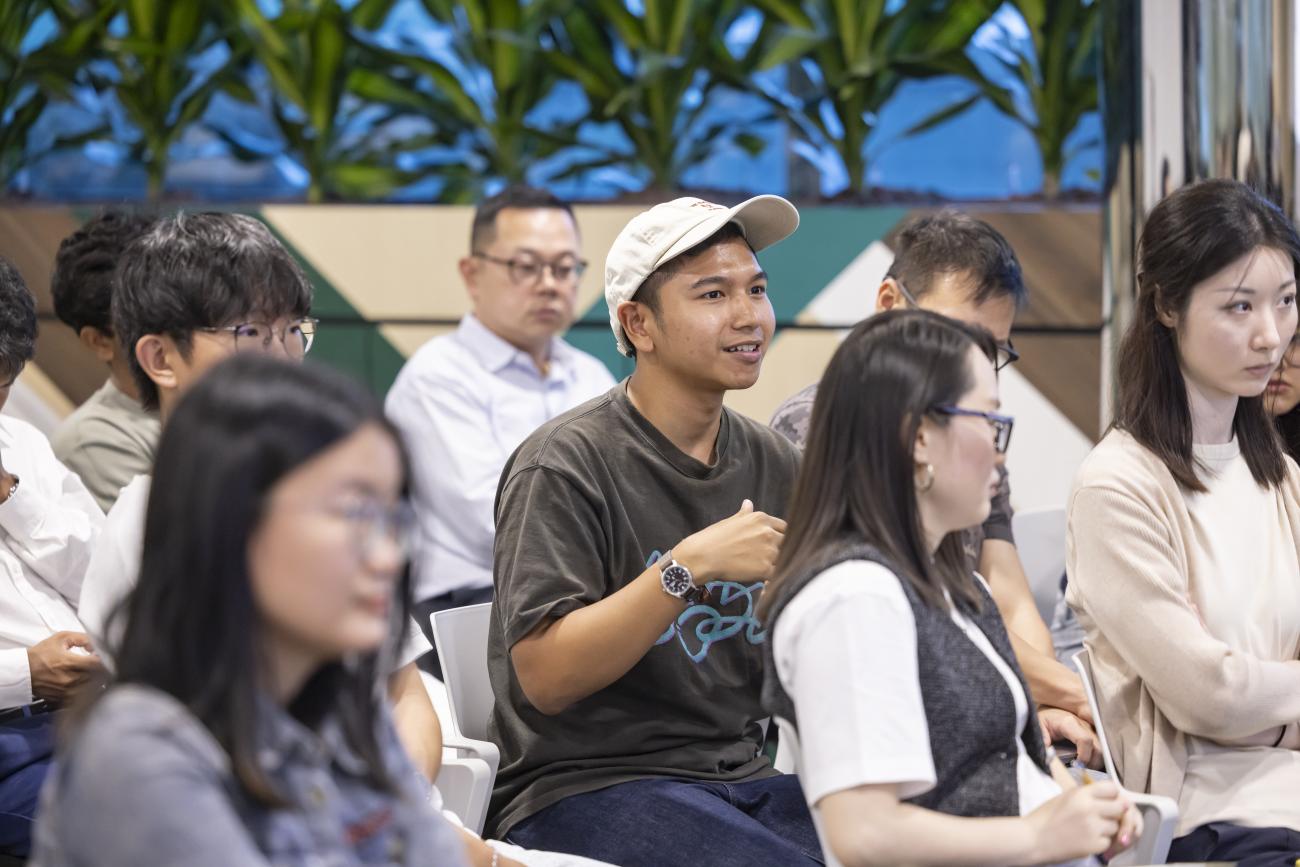
Qualitative responses revealed several key insights. Students emphasised that human connection remains irreplaceable, highlighting the importance of empathy, relational warmth, and professional judgement. There was also increased awareness of AI’s limitations, including concerns about bias and its inability to fully interpret emotional and cultural context.
Many students reflected on the growing use of AI for companionship, noting that while it can feel validating, it may also mask underlying issues related to loneliness or disconnection. There was a strong consensus on the need for mindful and responsible use, with students recognising that AI should be used as a tool rather than a substitute for personal relationships or professional care.
The discussion also surfaced areas of interest for further engagement. Students expressed a desire to explore topics such as AI companionship and its psychological implications, responsible and ethical use of AI, academic pressure and burnout, and broader questions of identity in an AI-driven world. There was also recognition that individuals vary in their readiness to adopt and engage with AI, suggesting the need for more nuanced conversations moving forward.
A Balanced Approach to the Future
As AI continues to evolve, the panel concluded that having a balanced approach is essential. AI has the potential to enhance access to support and complement existing mental health services. However, its use must be accompanied by critical awareness, responsible engagement, and a clear understanding of its limitations.
The session underscored a central message — while AI can support mental health, it cannot replace the human relationships that underpin wellbeing. Empathy, trust, and meaningful connection remain fundamental, even in an increasingly digital world.
As students navigate the opportunities and challenges of AI, developing mental health literacy, critical thinking, and strong interpersonal connections will be key to ensuring that technology serves as a support, rather than a substitute, in their journey of wellbeing.