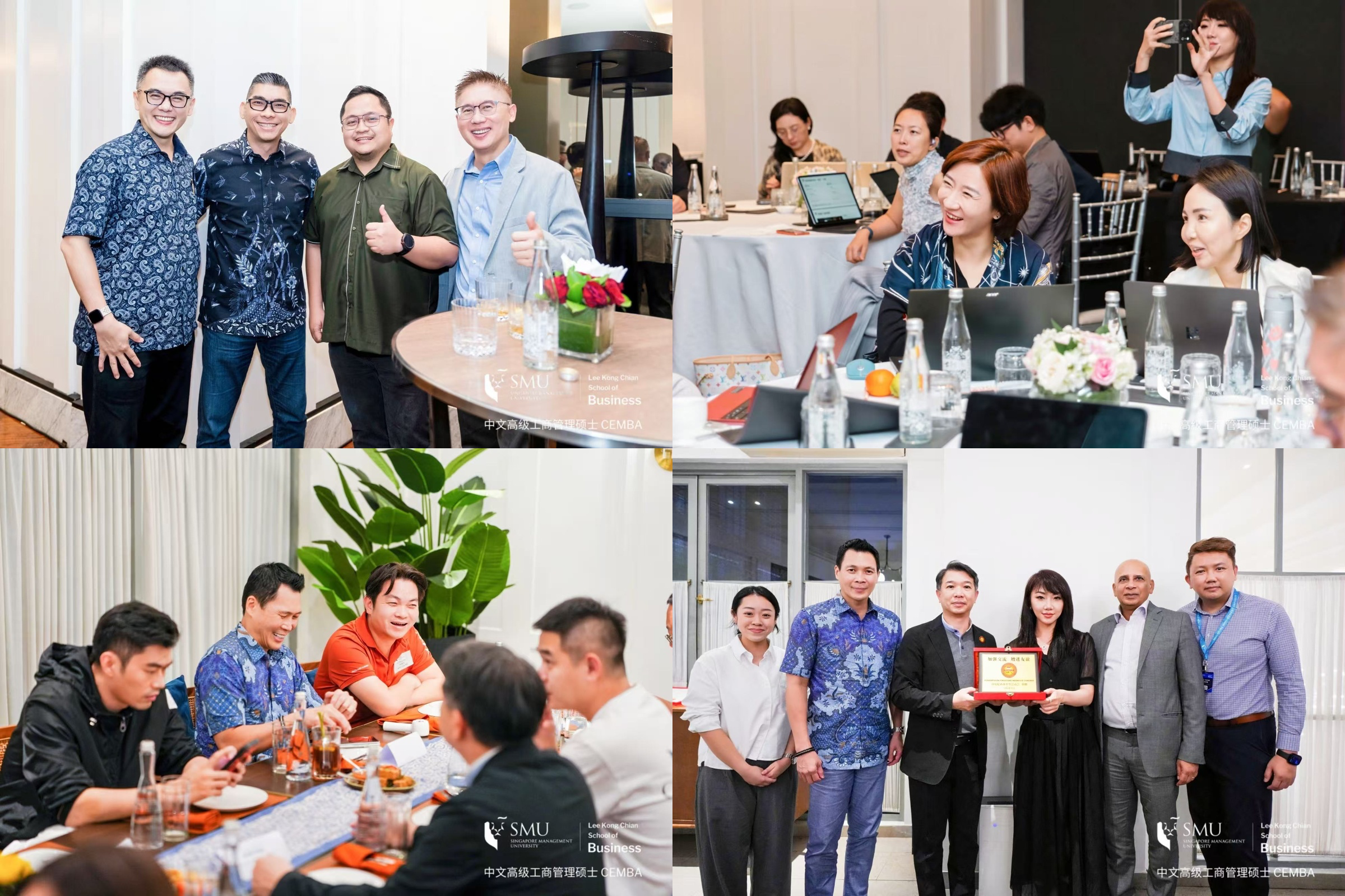

As Southeast Asia’s largest economy enters a new phase of industrial transformation, digital acceleration, and geopolitical recalibration, understanding Indonesia has become essential for leaders shaping regional growth strategies.
Recognising this, Singapore Management University (SMU) is deepening its engagement with one of the region’s most consequential markets, with Indonesia emerging as a critical platform for cultivating the next generation of regionally attuned business leaders.
The inaugural Chinese Executive Master of Business Administration (CEMBA) Indonesia segment, jointly anchored by SMU’s Lee Kong Chian School of Business (LKCSB) and the SMU Indonesia Office (SMU ID), reflects this strategic commitment.
Designed as an immersive leadership experience, the segment brought participants into direct engagement with policymakers, business leaders, investors, and academic thought leaders shaping Indonesia’s evolving economic landscape.
Moving beyond traditional overseas study visits, the programme translated classroom frameworks into direct exposure to the policy, capital, and operational realities defining one of Southeast Asia’s most dynamic and complex markets.
By placing participants within real decision-making environments, the segment exemplifies SMU’s practice-based approach to executive education, accelerating the development of strategic judgement, contextual intelligence, and leadership adaptability.
Understanding Indonesia’s Strategic Complexity
Unlike conventional executive immersion programmes, the CEMBA Indonesia segment functioned as a curated leadership forum, designed to help participants navigate the intersection of policy, enterprise, and capital.
At the policy level, engagements with the Centre for Strategic and International Studies (CSIS) offered participants a nuanced understanding of Indonesia’s political and economic trajectory.
Discussions unpacked the implications of national policy priorities, regulatory evolution, and geopolitical shifts, equipping participants with deeper insight into the operating realities facing businesses and investors in the market.
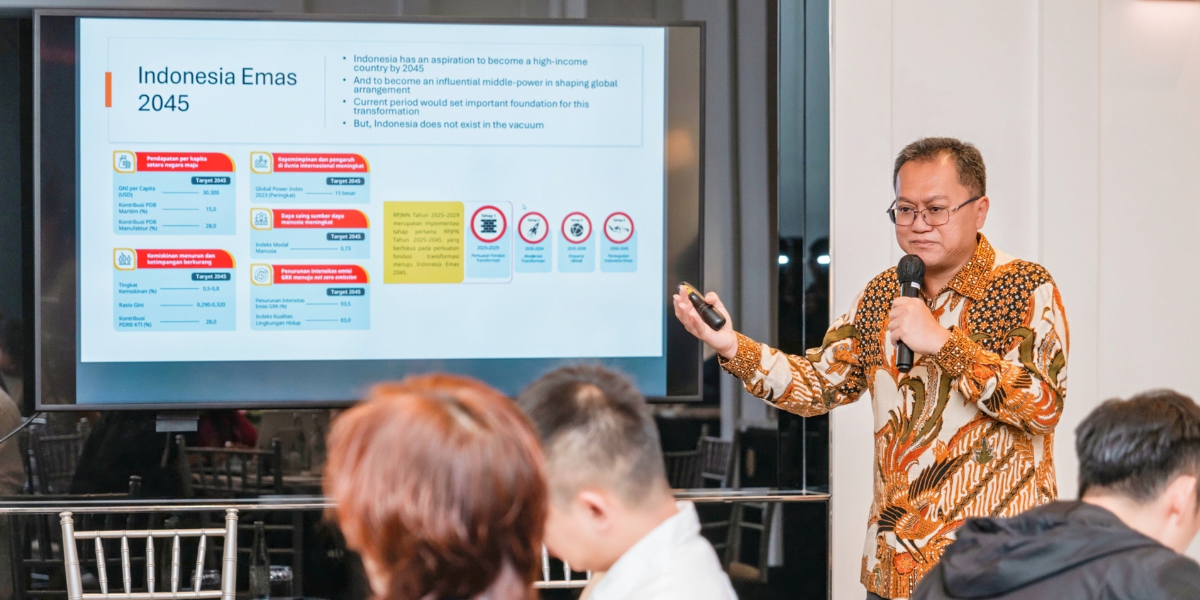
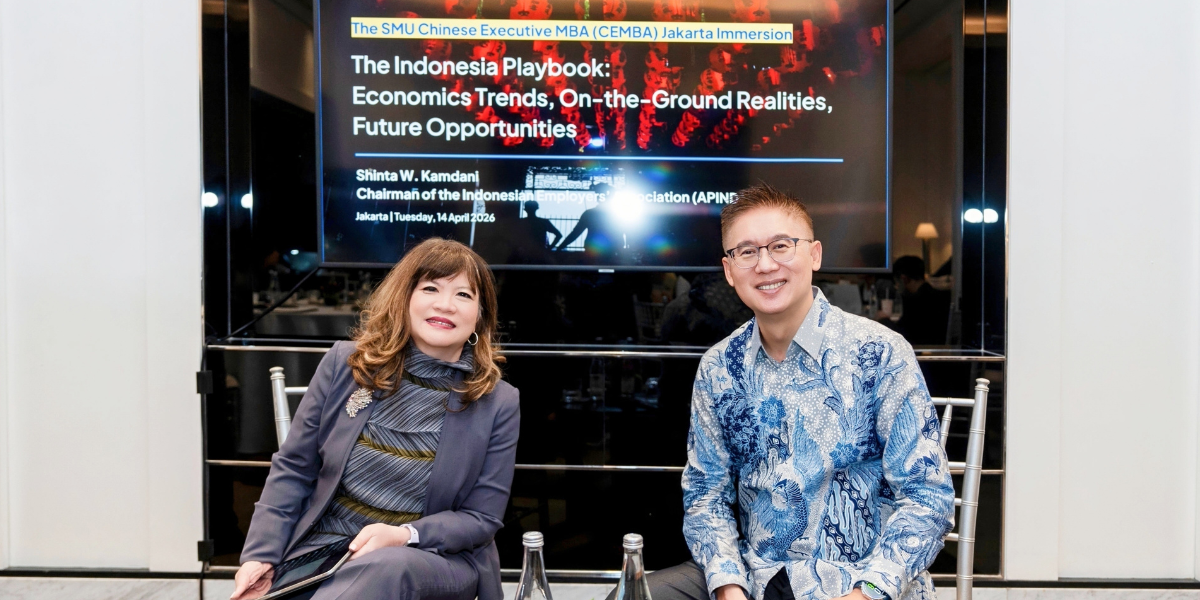
A fireside conversation with Ms Shinta Kamdani, Chairwoman of the Indonesian Employers Association (APINDO), offered candid insights into macroeconomic trends, labour dynamics, and the on‑the‑ground realities shaping business sentiment. The discussion provided participants with a practitioner’s view of how policy intent translates into operational constraints and opportunities across Indonesia’s diverse economy.
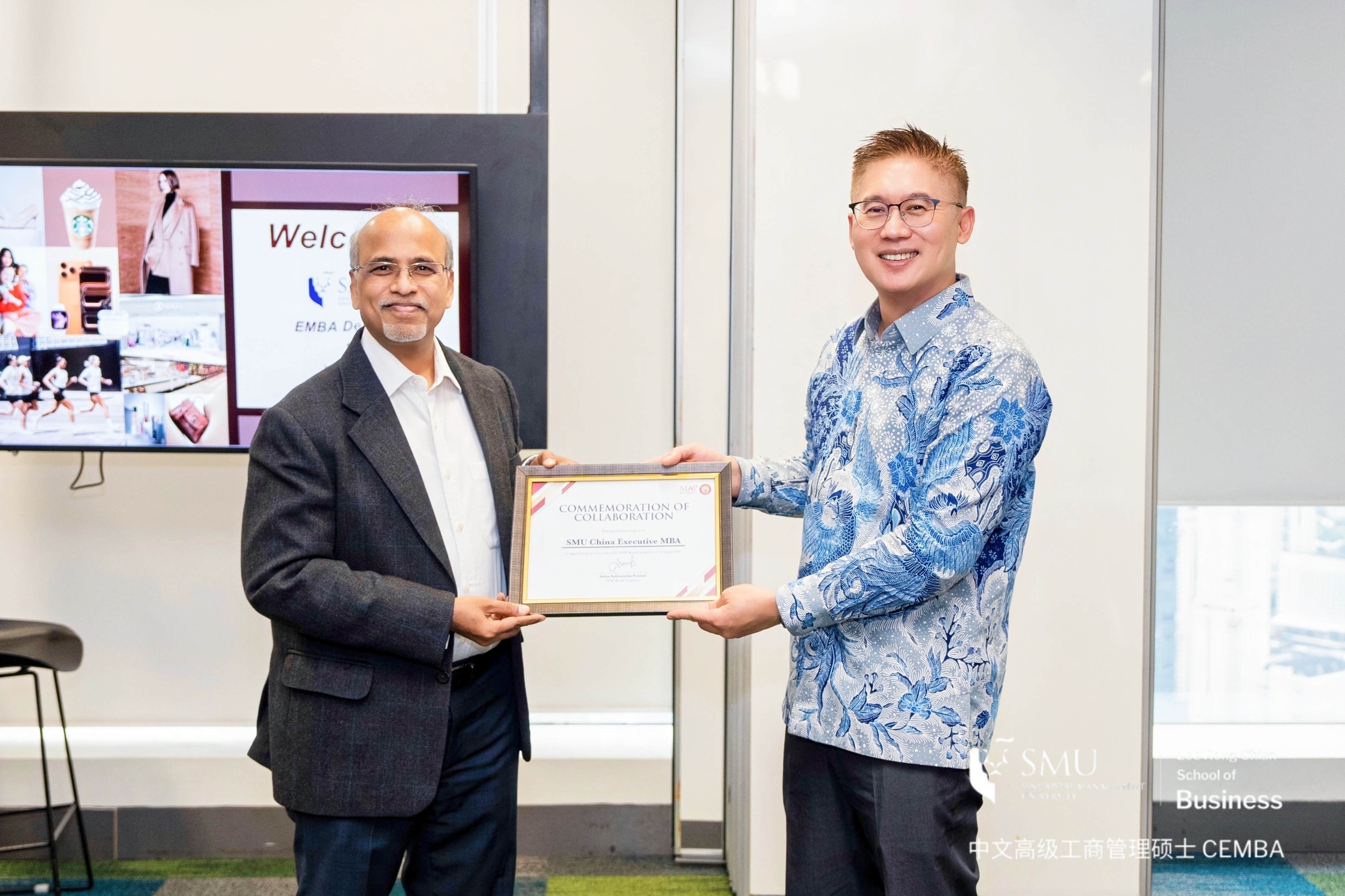
These perspectives were complemented by boardroom‑level discussions and site visits with leading organisations across consumer retail, infrastructure, energy, and venture capital — including PT Mitra Adi Perkasa (MAP), Pembangunan Jaya Group, Charged Asia, and East Ventures. Moving beyond corporate showcases, the engagements focused on strategic trade‑offs, governance priorities, growth constraints, and execution challenges, grounding classroom frameworks in the lived realities of operating in Indonesia.
Where Networks Become Strategic Capital
Beyond formal institutional engagements, the segment underscored another critical leadership lesson: in Indonesia, strategic success depends as much on trusted relationships and local networks as it does on market analysis.
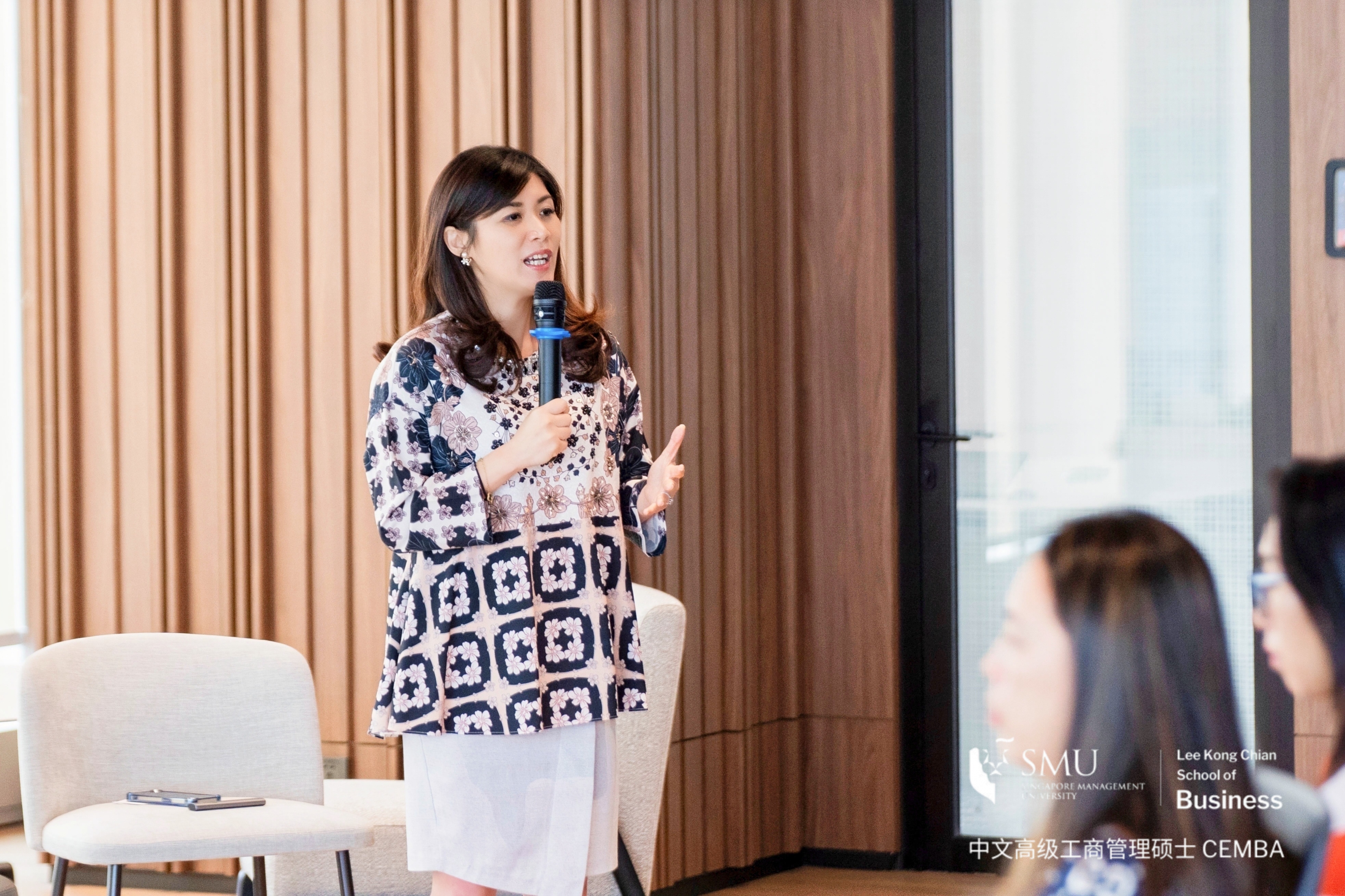
Curated networking engagements with Indonesian Chinese chambers, business leaders, and young entrepreneurs offered participants valuable ground-level perspectives on cross-border trade, entrepreneurship, and market-entry dynamics.
These exchanges revealed how business strategy is shaped not only by economic fundamentals and policy frameworks, but also by trust, local knowledge, and ecosystem relationships.
For many participants, these interactions challenged conventional assumptions about market entry and highlighted the importance of contextual intelligence in navigating Indonesia’s business landscape.