
The Singapore Management University (SMU) Centre for Case Learning Excellence (CCX) has successfully delivered its Asia Case Writing Excellence Series across Hanoi, Ho Chi Minh City, Bangkok, Shenzhen, and Jakarta from January to April 2026, strengthening educators’ capabilities to develop rigorous, classroom-ready case studies rooted in real-world Asian business challenges.
Led by Dr Havovi Joshi, CCX Director, the workshops equipped educators with the skills to develop rigorous, classroom-ready teaching case studies grounded in real-world business challenges. Drawing on SMU’s internationally recognised expertise in case pedagogy, the programme applied a structured, practice-oriented methodology designed to help participants translate complex business dilemmas into effective classroom learning experiences.
SMU’s leadership in this space is reflected in its standing among the world’s leading institutions for case study teaching, as recognised by the Financial Times Research Insights Ranking 2025 and the Case Centre Impact Index 2025.
Beginning in Hanoi and Ho Chi Minh City, Vietnam, in January 2026, participants were introduced to the foundational principles of case writing, including the role of cases as pedagogical tools rather than research outputs. Emphasis was placed on identifying a central dilemma, defining the decision-maker, and structuring the narrative using established frameworks.
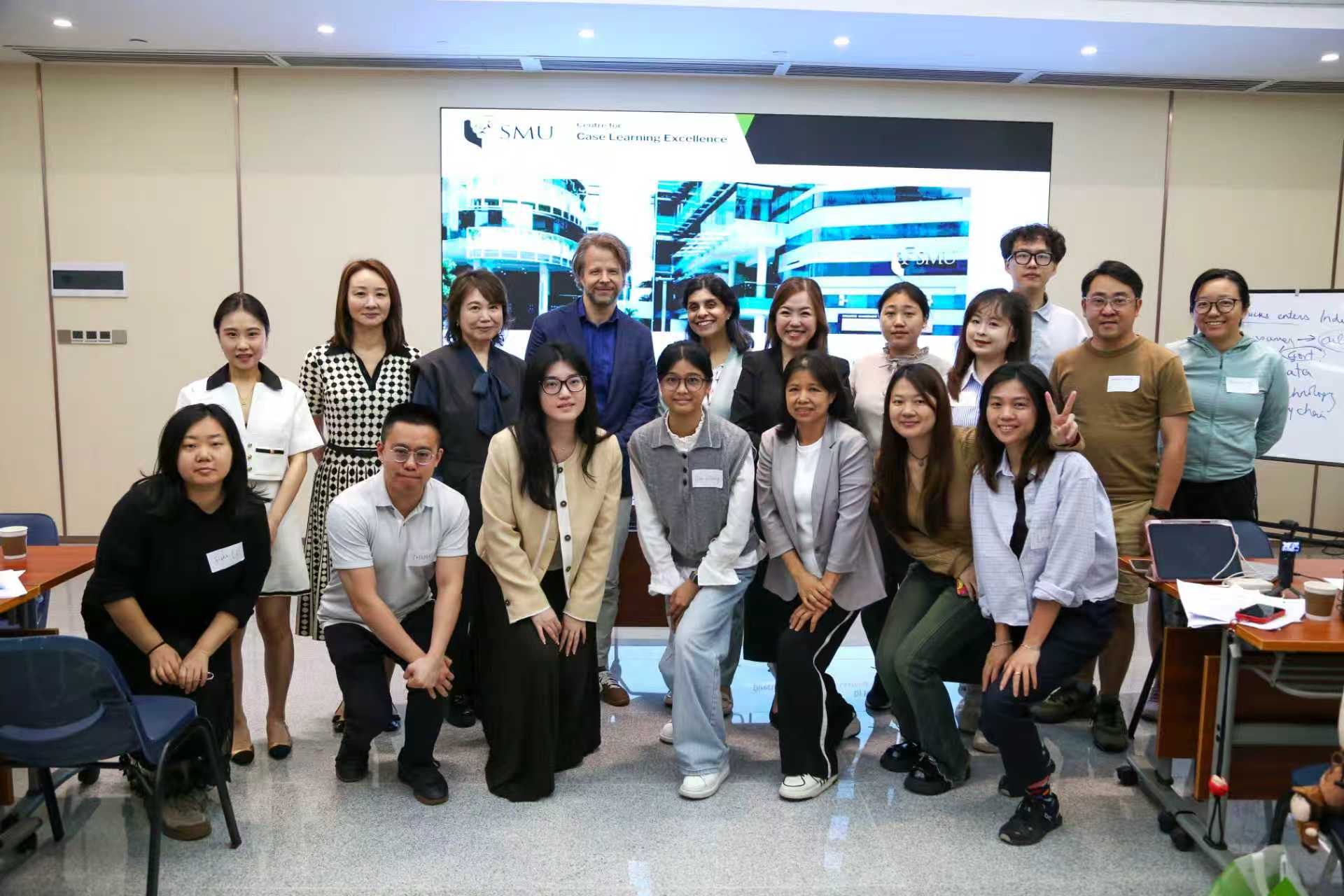
As the series progressed through Bangkok, Thailand and Shenzhen, China in March 2026, the workshops consistently reinforced core design principles of a case study. Participants worked through the building blocks of effective case development—crafting introductions, structuring case narrative, and aligning content with clearly defined learning objectives. Focus was placed on ensuring relevance, narrative tension, and the appropriate use of data, whether primary or secondary.
A key component across all sessions was the development of the Teaching Note, underscoring its role in translating a case into an effective teaching tool. Participants learned to articulate learning objectives, structure classroom discussion, and guide analytical outcomes—ensuring that each case delivers measurable pedagogical value.
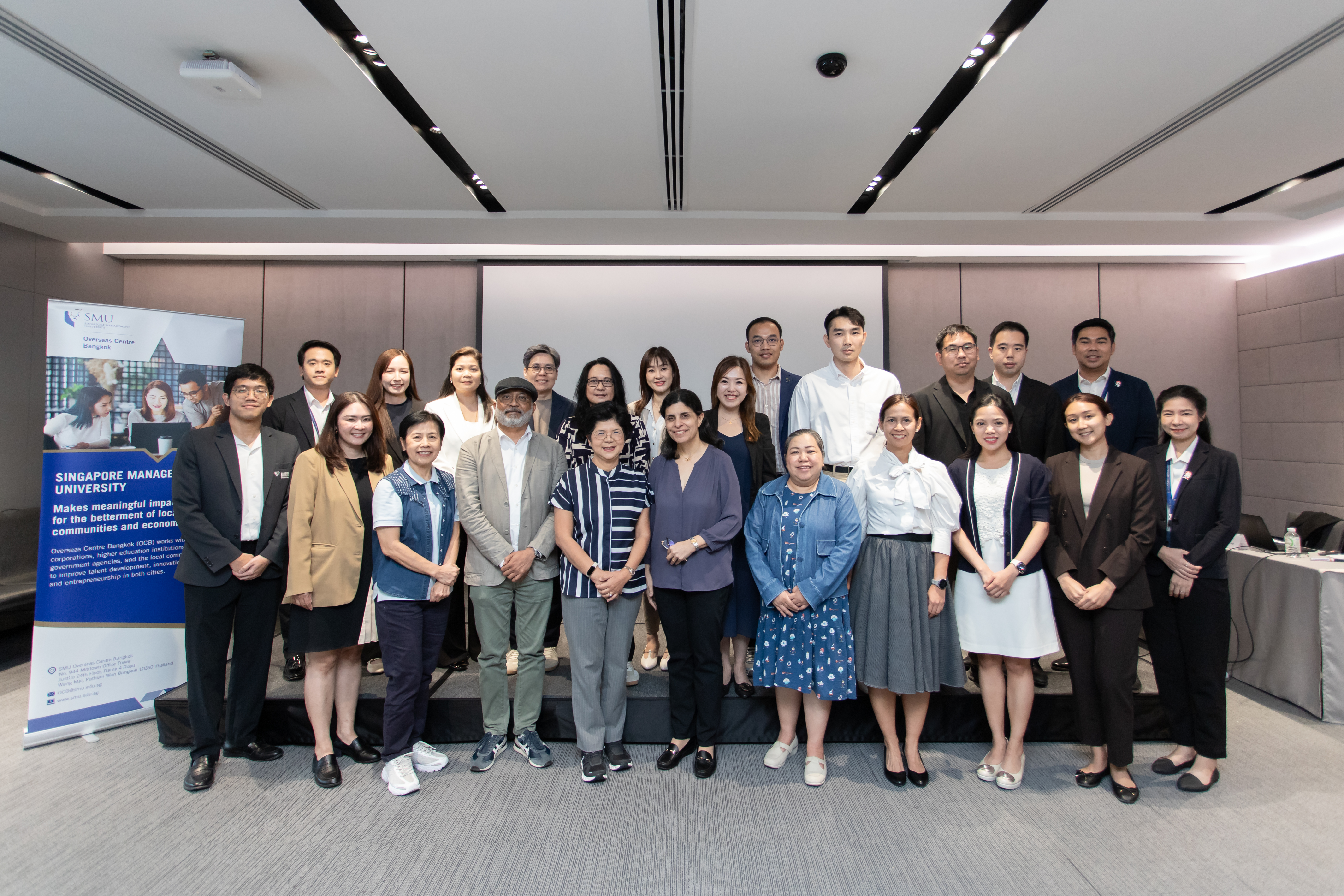
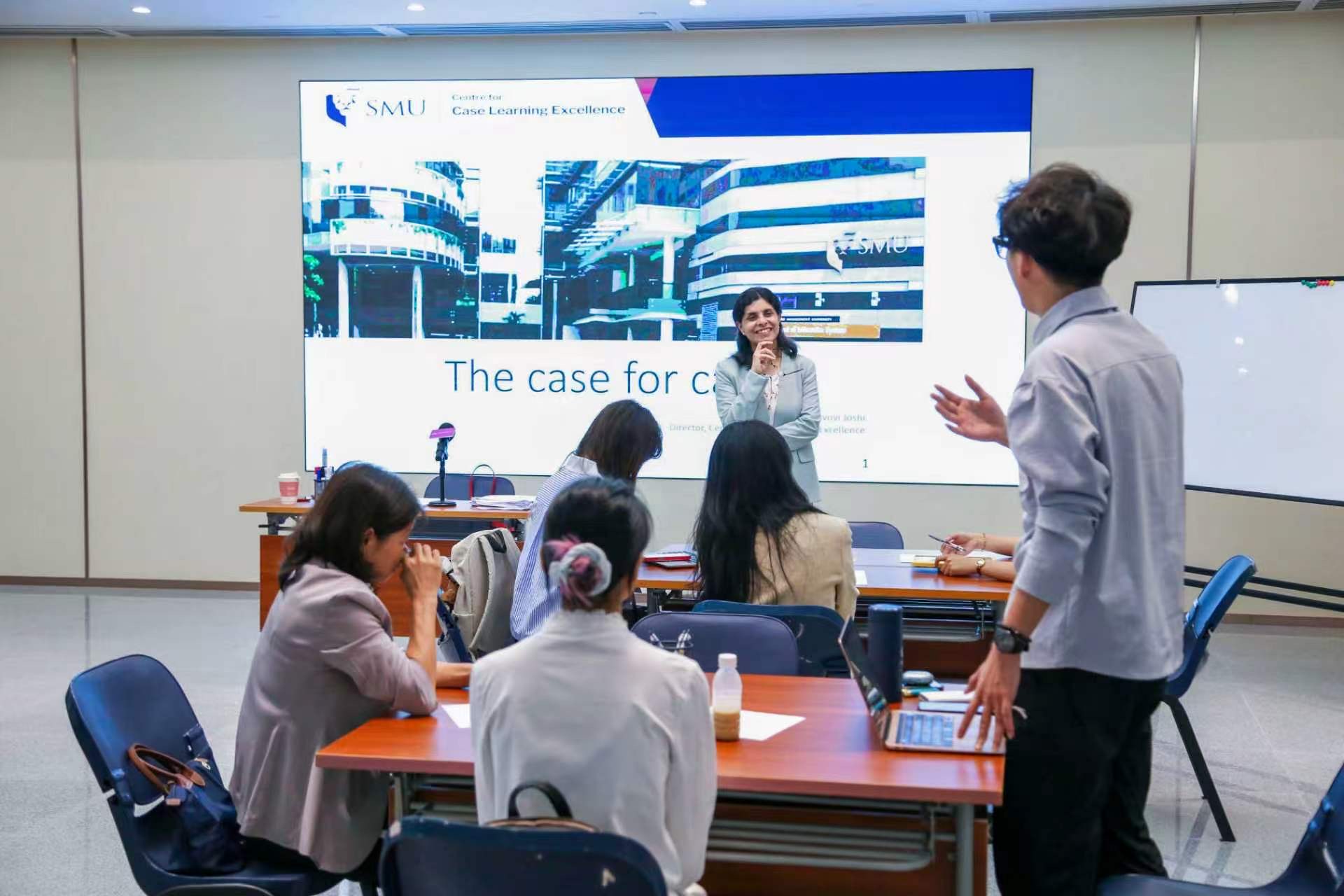
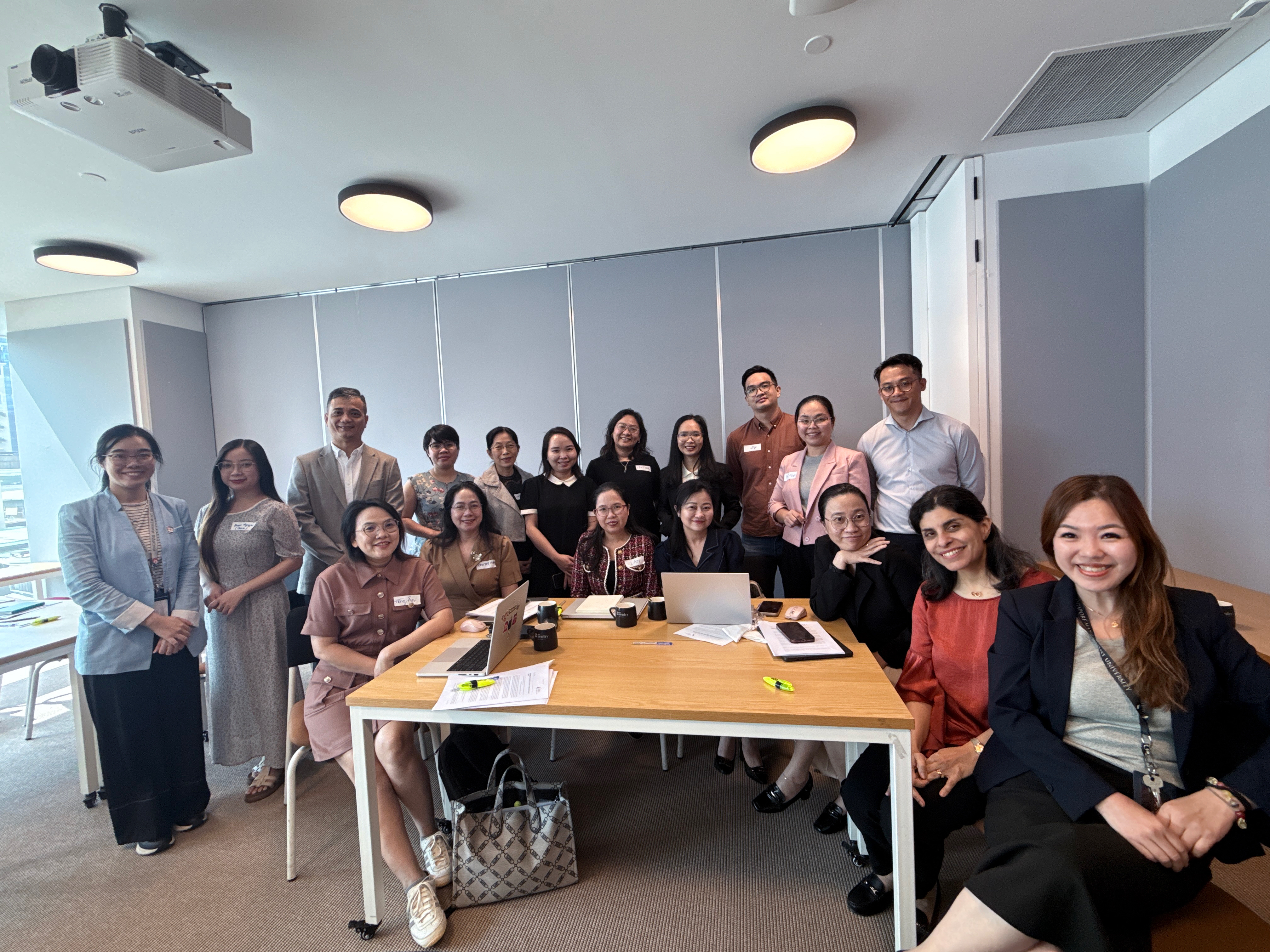
Similar to the structure followed in the previous workshops, participants at the final leg in Jakarta in April presented their case synopses and received feedback to refine their work and ensure clarity, coherence, and alignment with teaching goals.
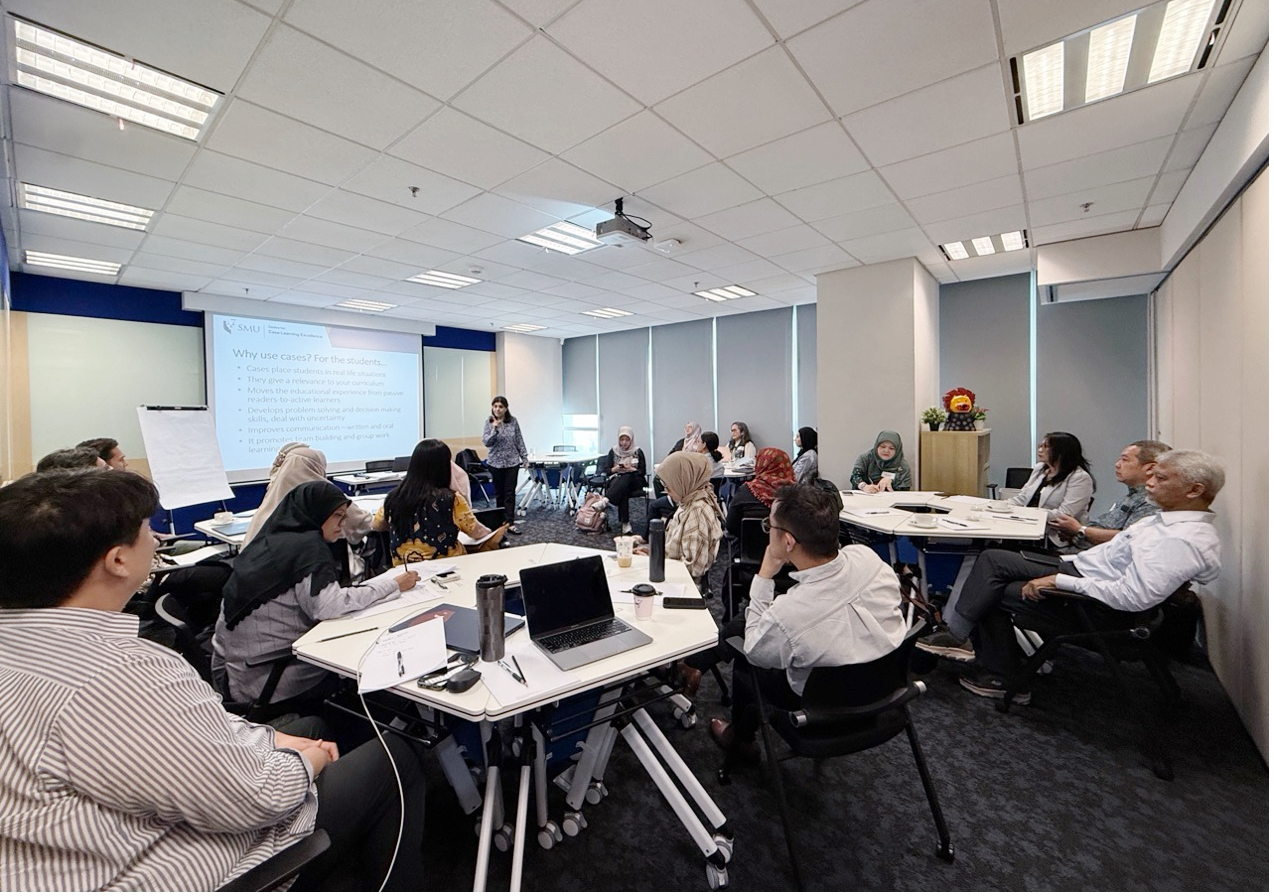
The programme’s impact was reflected in the practical outputs developed by participants, many of whom left with structured case concepts ready for further refinement and classroom application.
"A truly insightful workshop with highly practical content. Dr. Havovi Joshi’s exceptional teaching and real-world case studies provided me with the knowledge I plan to apply directly to my own lectures and case study writing.” Nguyễn Thị Hồng Ân, Lecturer, International University – VNU, HCM
"In my experience, teaching cases are not always used to their fullest potential. However, when cases are facilitated effectively to give students room to come up with their own ideas, the classroom environment becomes dynamic, intense, and constructive.” Assoc. Prof. Dr. Olimpia Racela, Mahidol University International College, Program Director of Marketing
“I found the workshop extremely insightful. The instructor was highly experienced and effectively introduced the essentials of case writing in a limited timeframe. The hands-on approach helped me truly understand both the methodology and storytelling techniques involved, which I believe are critical skills in today's world, valuable not only for professional growth but also for broader aspects of life and work.” Apple Pan, Doctoral Candidate, Doctor of Public Administration (DPA) The University of Hong Kong
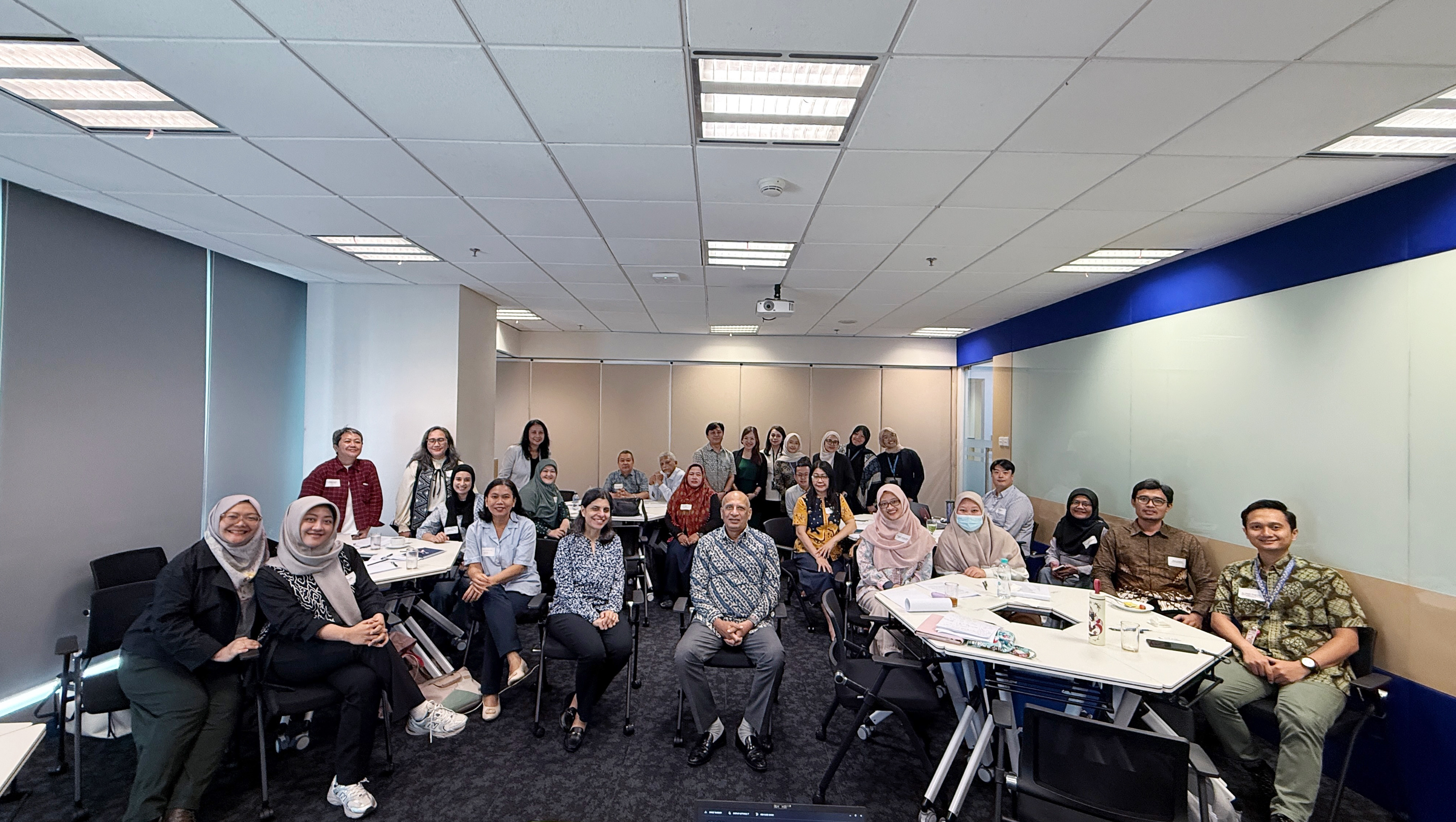
Beyond strengthening individual educator capabilities, the series underscores the strategic role of SMU’s Overseas Centres in advancing regional academic collaboration at scale.
Working closely with SMU CCX, SMU Indonesia, SMU Thailand and SMU Vietnam serve as critical in-market platforms that connect global pedagogical frameworks with local educational ecosystems. Their on-the-ground presence enables deeper institutional partnerships, targeted academic engagement, and contextually relevant programme delivery.
By anchoring sustained engagement beyond individual workshops, these centres help cultivate a growing regional ecosystem of educators committed to developing Asia-relevant teaching materials.
Through this integrated regional approach, SMU is helping shape the future of business education in Asia by strengthening the capacity of educators to produce teaching cases that are rigorous, relevant and reflective of regional business realities.
As Asian economies continue to evolve, building a stronger ecosystem of locally grounded case writing will be critical to preparing the next generation of leaders to navigate complexity with context, insight and agility.