
As Singapore and economies worldwide accelerate investments in AI and digital transformation, organisations are confronting a critical question: how can they sustain performance and innovation without eroding the human drivers of motivation, creativity and resilience?
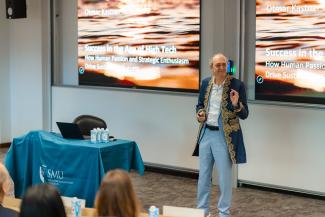
These issues took centre stage at an inaugural lecture by Austrian keynote speaker and leadership expert Otmar Kastner on 27 March 2026 at the Singapore Management University (SMU) campus. Jointly organised by SMU School of Economics (SOE) and the Austrian Embassy Singapore, the lecture brought together more than 50 guests from academia, business and the arts. The session marked the start of a broader effort to integrate global perspectives on leadership and organisational culture into Singapore’s evolving business discourse.
As enterprises across Singapore and the world confront the limits of productivity-led models, there is growing recognition that technology alone cannot sustain long-term performance. Mr Kastner’s concept of “Digital Humanism” reframes success by placing human motivation, emotional engagement and meaning at the centre of organisational strategy, offering a timely lens for business leaders, educators and policymakers navigating workforce transformation.
“Digital humanism means that we as humans live our full potential in this era of high-tech and AI, with our full enthusiasm and our passion,” explained Mr Kastner. He was elaborating on the concept during the lecture. “AI is not enthusiastic - it can fulfil tasks and procedures, but it is not the creative one. Never. AI is heavy on volumes of data, but humans have heart, and this is what AI will never have. It’s about the consciousness, that we as humans have.”
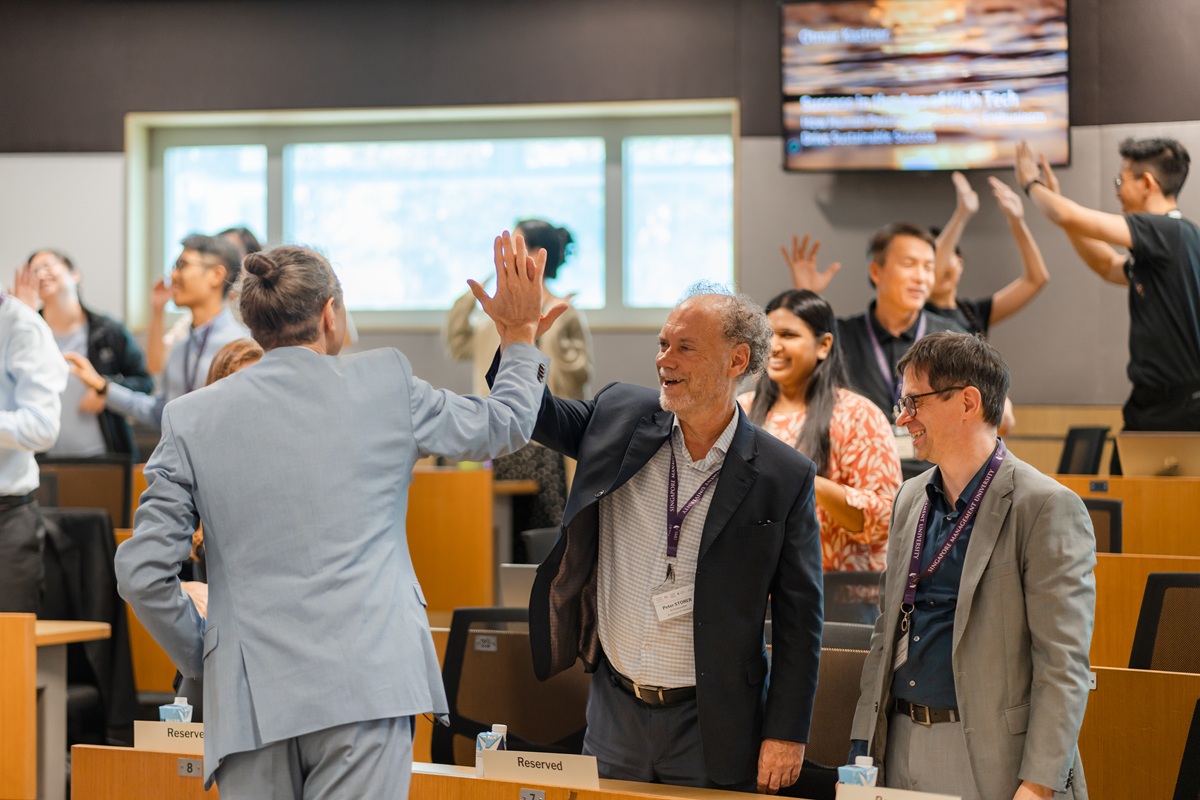
With a background spanning international human resources and stage performance, Mr Kastner brought a distinctive voice to conversations on leadership and organisational culture. During the lecture, he drew on his rich experience bringing business comedy and corporate humour to outline practical ways in which organisations might navigate the pressures of rapid technological change.
“In my years of research, I’ve found out that we as humans are meant to float in life, like a cork floating on water. Yet there are weights that pull us down, weights such as fear,” commented Mr Kastner. “Once we release these weights, the enthusiasm brings us up again, much like the buoyancy effect. And if you want to be a leader in your life, a true leader, do so with ease and passion, becoming a magnet and lighthouse for others. It is possible to shine your light and achieve success by bringing humour and joy to those around you.”
Through an alchemy of business management, psychology and historical context, Mr Kastner argued that motivating people still has a central place in the workplace, where enthusiasm and human energy are not intangible ideals, but measurable drivers of creativity, collaboration and performance. Drawing on his signature “business cabaret” approach—blending humour with sharp organisational insight—Mr Kastner challenged conventional notions of success.
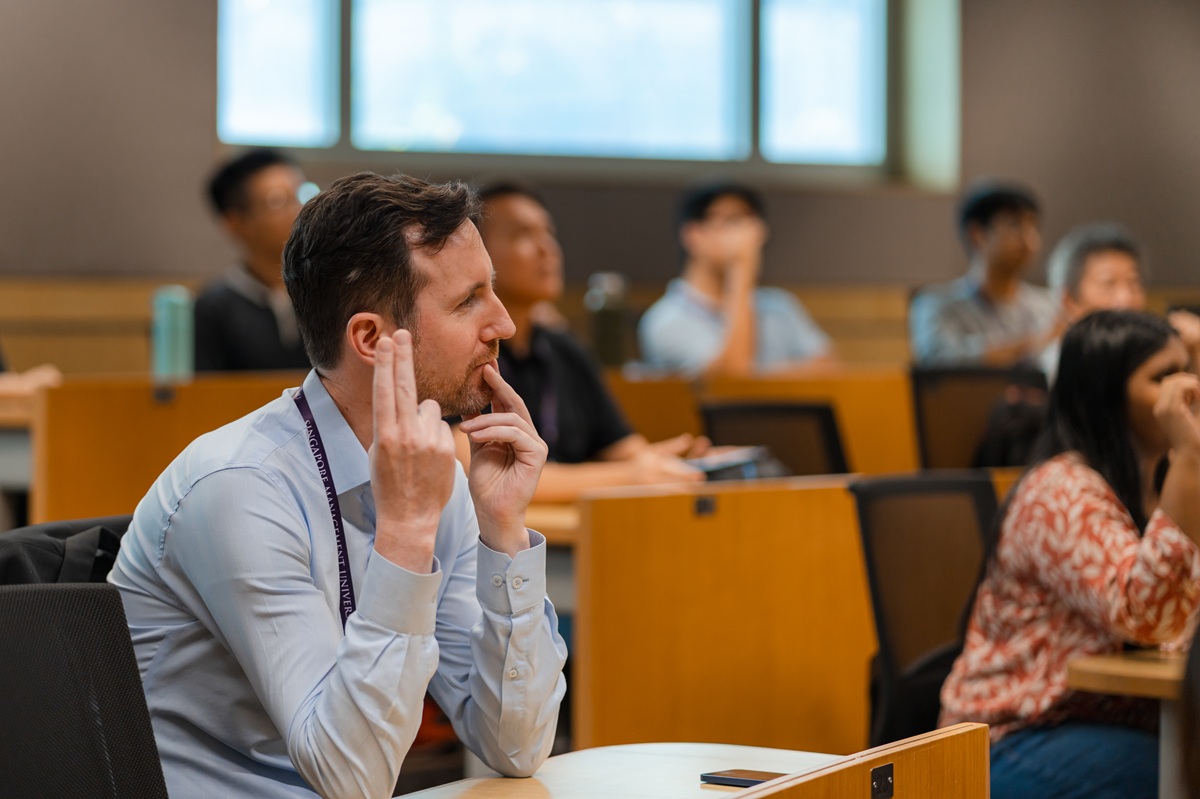
The hour-long session, which included an animated Q&A, explored how leaders might address rising workplace challenges such as disengagement and burnout, while building cultures that enable individuals to contribute meaningfully in highly digitalised environments.
The lecture is part of ongoing efforts by SOE, under the SMU2030 strategic vision to convene global perspectives on the future of work, leadership and business education in Asia, and to translate these insights into real-world business practice. Named World’s Most Improved University in the latest QS World University Rankings by Subject 2026, SMU placed amongst the global top 40 for Business & Management Studies, and notched a strong 52nd spot for Economics & Econometrics.
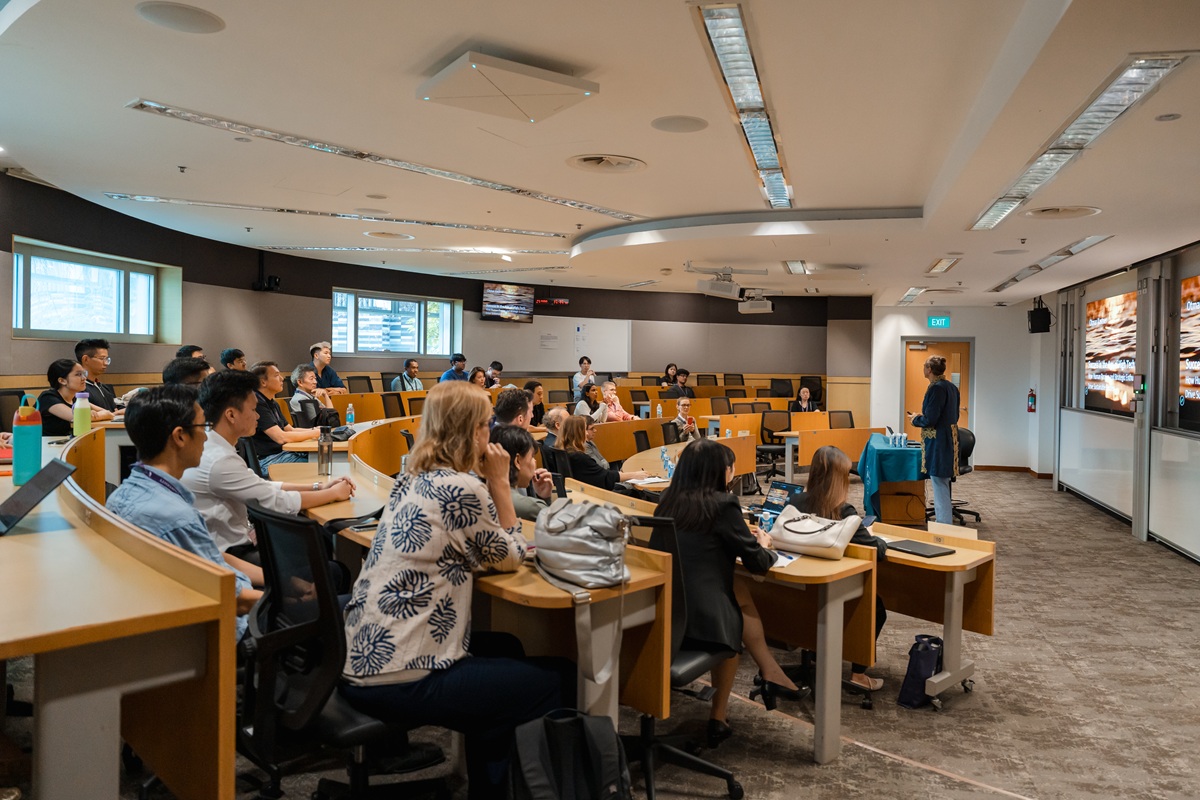
Photo credit: SMU School of Economics